What Louisiana Roofing Contractors Are Required to Be Licensed For in 2026
Learn when Louisiana roofing work requires a state license, how to verify a contractor, and what project details to confirm.
Read the guide
Roof leak repair in Baton Rouge starts with finding where water is entering and what failed. Water can travel along decking and rafters before it appears as a ceiling stain. Red Stick Roof Repair inspects the roof and attic, explains the cause in plain language, and gives you clear options before work begins.
Useful updates and clear arrival timing.
Review the approach and price before deciding.
Equipped vehicles and respectful cleanup.
Neighbors serving neighbors with follow-through.
Water can enter through shingles, flashing, vents, skylights or storm damage. We inspect the roof, explain what we find, and help you choose the right next step. Select the service that best matches what you are seeing.
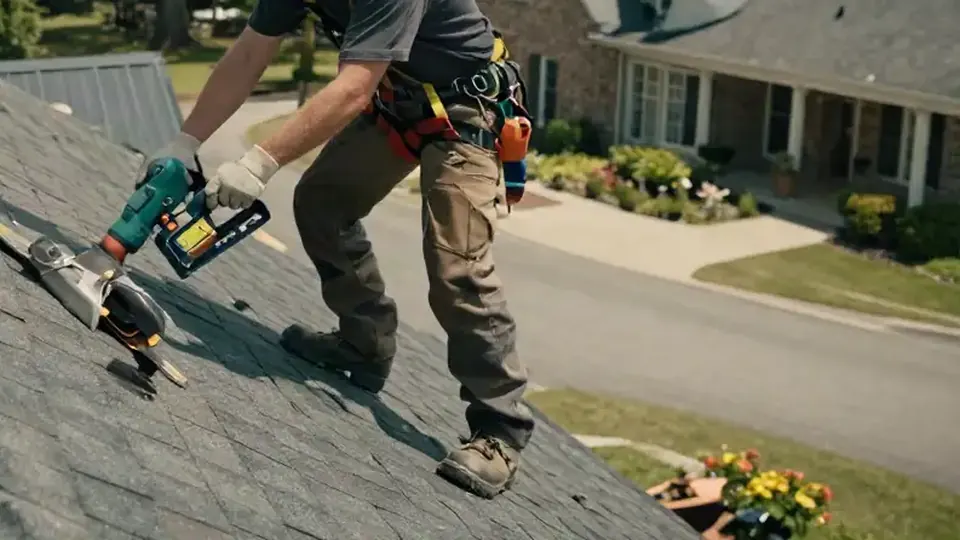
For active leaks and openings that need temporary weather protection before permanent repairs.
Emergency leak help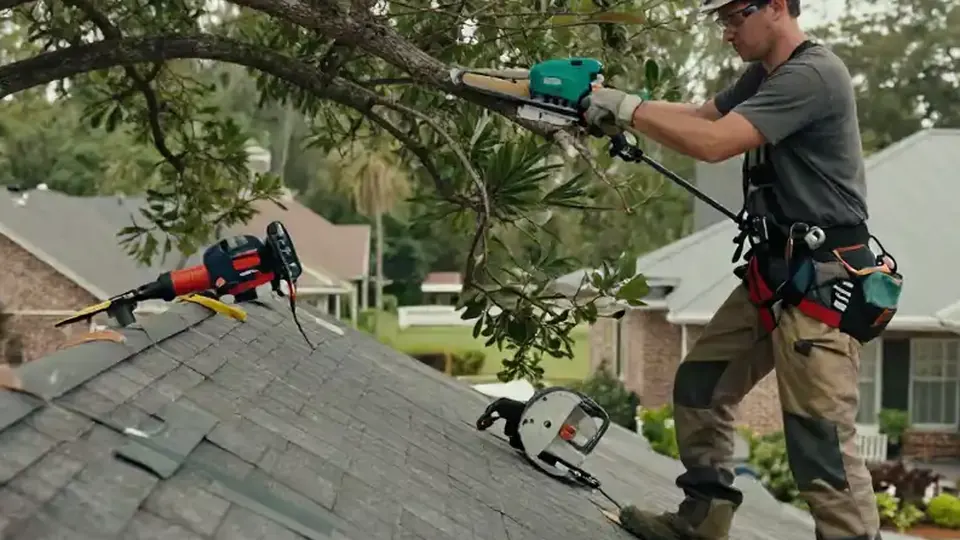
Find and document roof damage from wind, hail or fallen limbs, then plan the repair.
Storm damage repair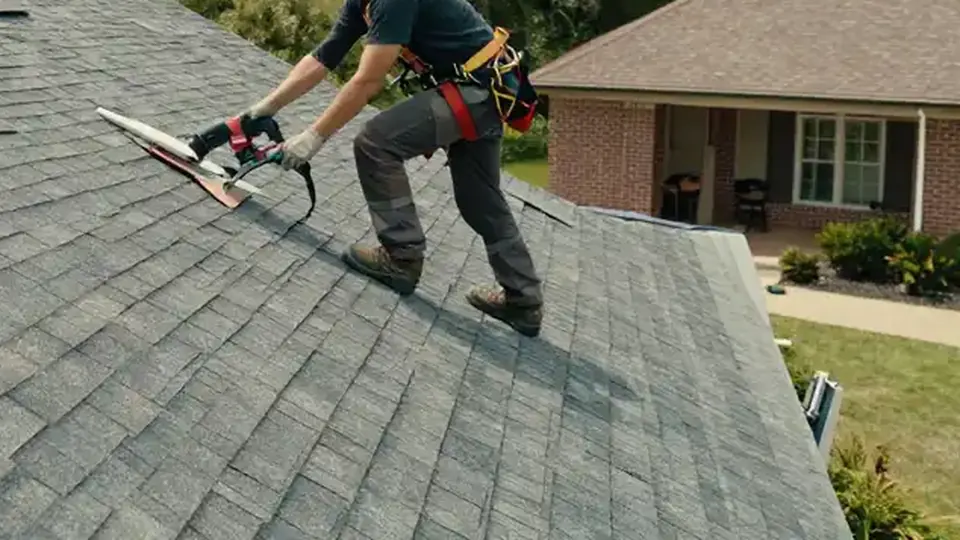
Trace ceiling stains and moisture back to the roof entry point before selecting a repair.
Find the leak source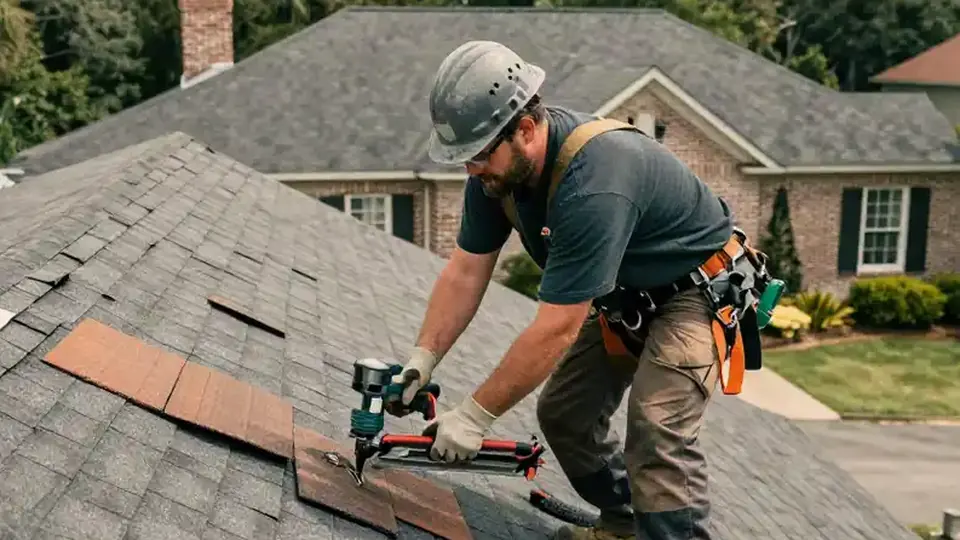
Repair cracked, lifted or missing shingles and check nearby areas for related damage.
Shingle leak repair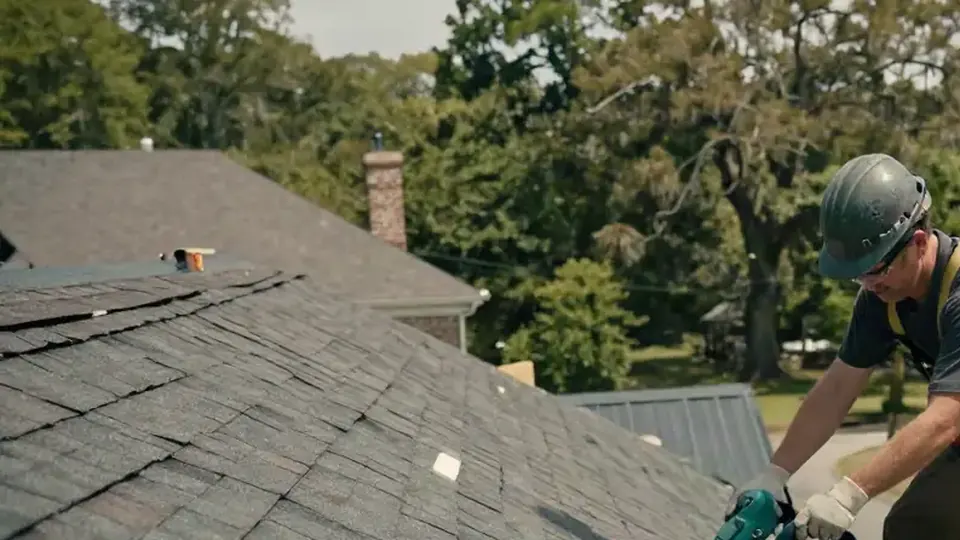
Address leaks at chimneys, roof-to-wall transitions, valleys and other flashing details.
Flashing repair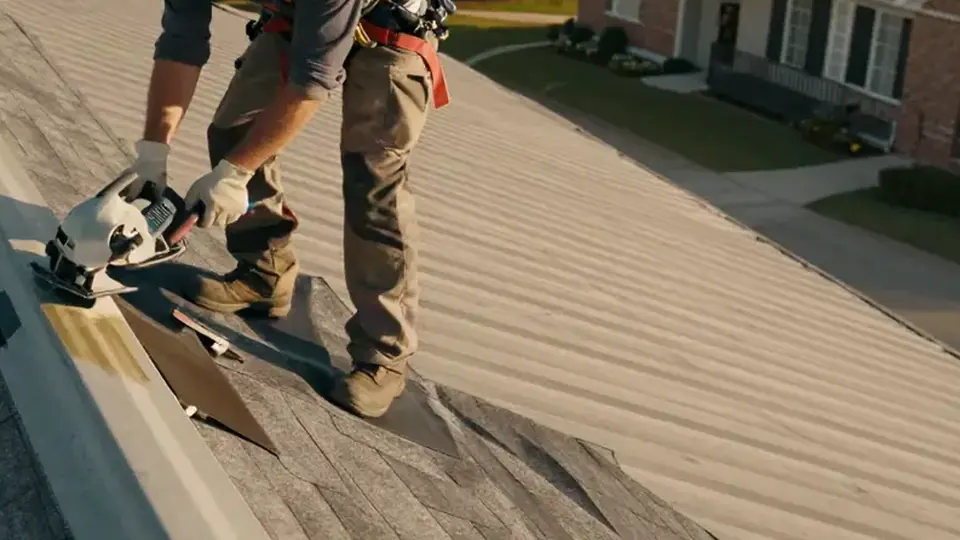
Investigate ponding, open seams, drains and flashing on flat or low-slope roofs.
Flat roof repair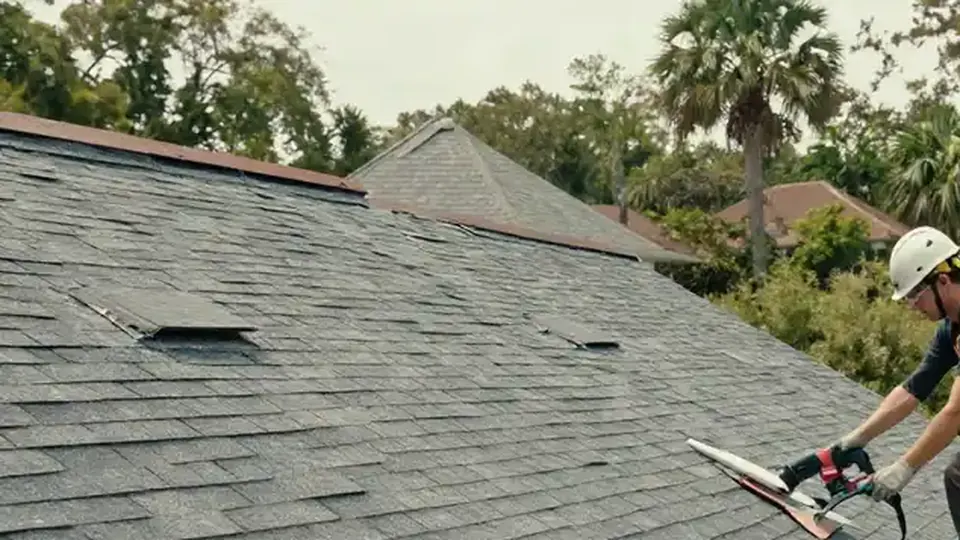
Repair leaks around pipe boots and roof vents, common roof penetrations.
Vent leak repair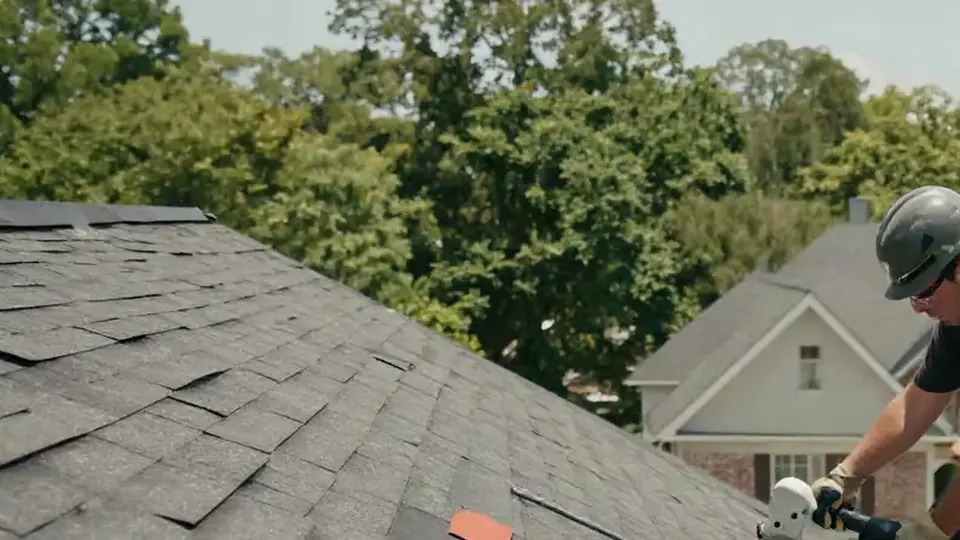
Check skylight flashing and seals to determine whether repair or replacement is appropriate.
Skylight leak repairBeyond leak repair, our Baton Rouge team handles the full roof system. Explore installation, replacement, inspection and ongoing maintenance.
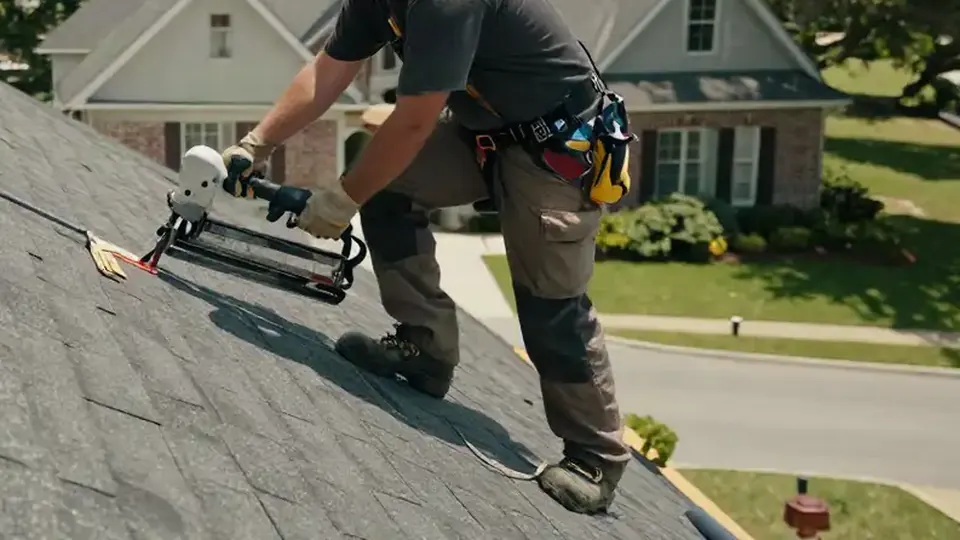
New construction and additions with shingles, flashing and ventilation installed as a complete system.
Explore installation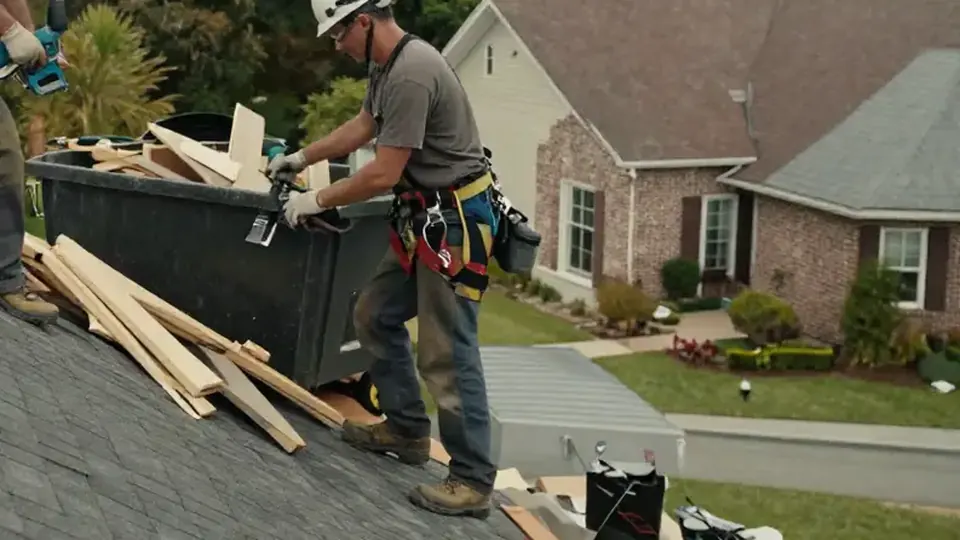
When the roof has widespread wear, compare replacement options, materials and a written project scope.
Explore replacementDocument the roof condition after a storm, before a sale or when you need a clear repair plan.
Explore inspections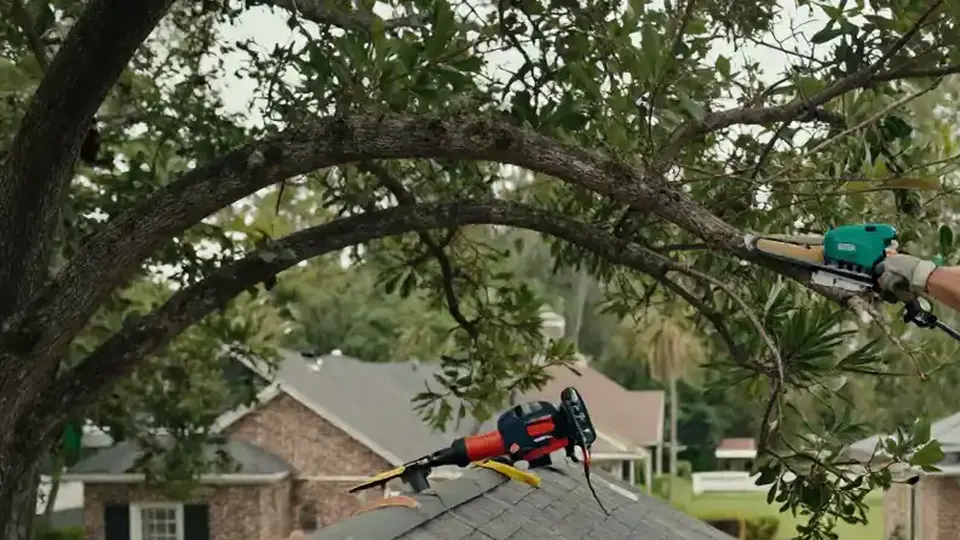
Keep drainage, flashing and roof materials on a regular check schedule to spot concerns early.
Explore maintenanceRoof leak repair in Baton Rouge is mostly detective work. The stain on your ceiling is rarely under the hole in the roof, because water travels along decking, rafters and pipes before it drips. Our job is to follow it back to the failed flashing, vent boot, valley or shingle and fix that.
That is why we look at the attic as well as the roof surface, why we explain what we found in plain words, and why we will tell you when a repair makes more sense than a replacement. If a leak points to a roof that is simply worn out, you will hear that too, along with your options.
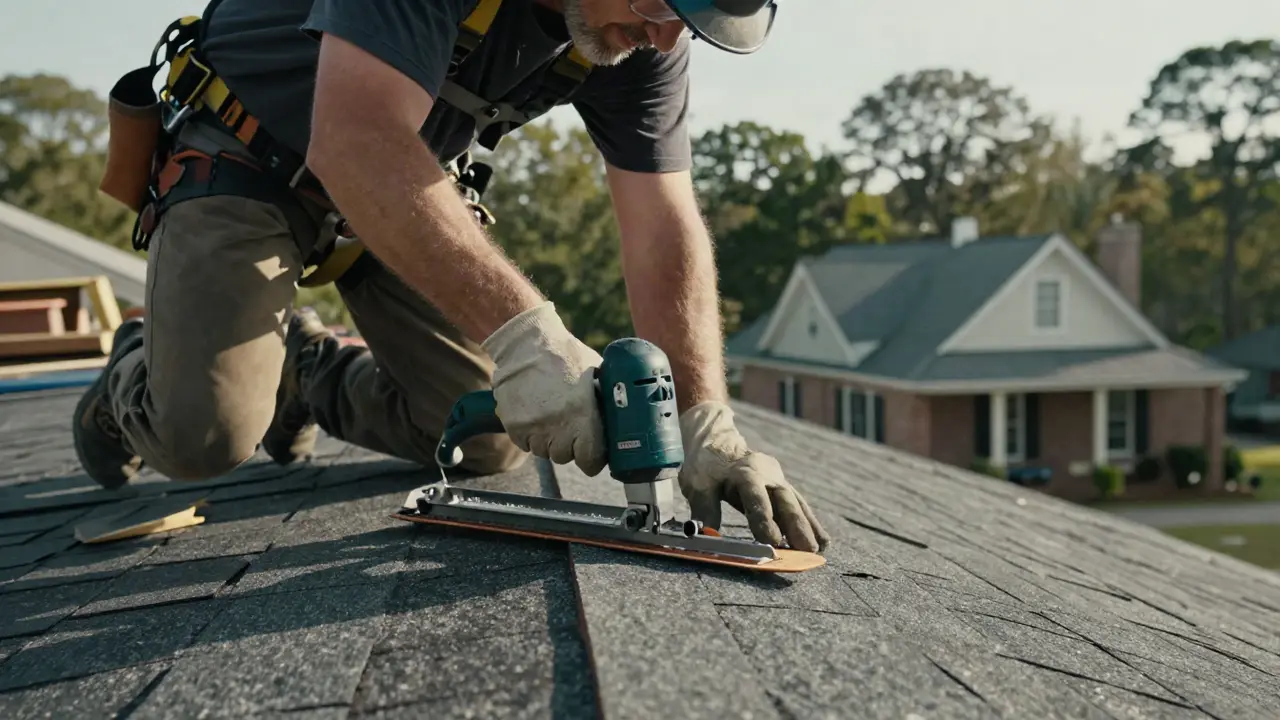
Not every leak drips. Many show up as small changes inside the house long before water pours in. If you notice any of these, it is worth having the roof checked.
Rings or spreading marks on a ceiling often mean water has been getting in for a while. They can appear days after the rain.
Water that shows up during or right after a storm points to an active opening. Note where it appears and when.
Paint that blisters on ceilings or near exterior walls is a common early sign of moisture behind the surface.
Wet insulation and a musty smell in the attic mean moisture has been present. A look from the attic side often finds the path.
Damaged shingles you can see from the ground, especially after wind, leave the underlayment exposed to rain.
Daylight through the decking or dark water stains on boards show where water has traveled.
Tell us where the water is showing up and we will explain the next step.
A roof leak can disrupt your day and damage the inside of your home. Our service process is designed to make the next step clear, from the first inspection through the final cleanup.
We inspect the roof and accessible attic areas to trace water toward its entry point, then explain what we find in plain language.
Recommendations reflect the roof material, condition and repair area. You can review the written scope before work begins.
Know what the work includes, what may change if hidden damage appears, and how the crew will protect and clean the work area.
If water is coming in during a storm, we help you understand safe steps indoors and arrange roof work when conditions allow.
You describe where and when water appears. We ask about the roof age, recent storms and anything that has already been tried.
We inspect the roof surface and the attic, checking flashing, vents, valleys, penetrations and decking, and we photograph what we find.
You get a written scope: what failed, what we propose and whether repair or replacement makes more sense for your roof.
We repair the cause, clean up the work area and walk you through what was done.
A leak repair is only as good as the diagnosis behind it. This is the sequence we follow, whether the fix is a small repair or a larger roofing job.
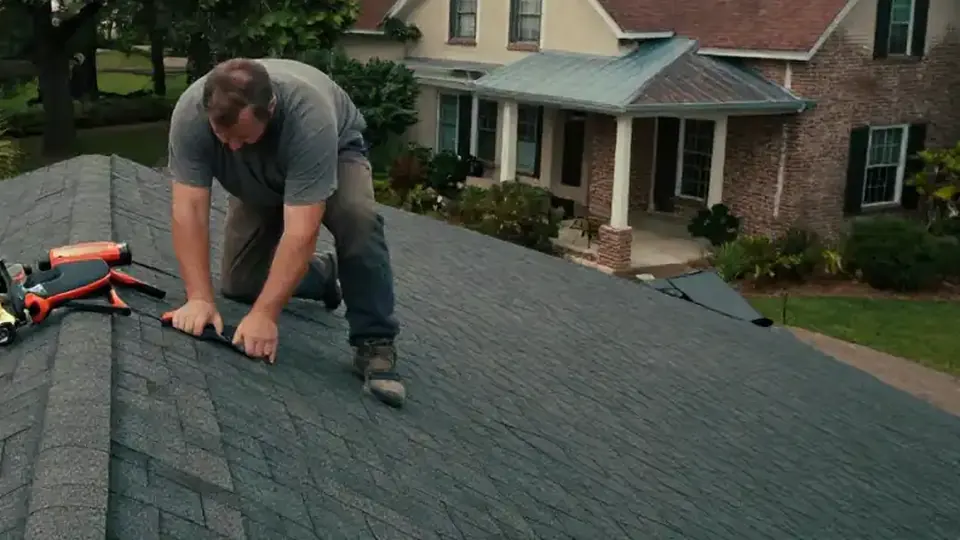
Heat, heavy rain and storm wind put steady stress on a roof. Most leaks trace back to a handful of weak points, and finding the right one is what makes a repair last.
Metal and sealant at roof joints wear out and pull loose. Water gets behind them and travels, which is why the stain is often far from the source.
The rubber collar around a vent pipe cracks in the sun long before the shingles wear out and is one of the most common leak sources.
Wind can lift tabs and tear shingles loose, exposing the underlayment. Prompt repair keeps a small opening from becoming a larger one.
Flat and low-slope roofs hold water when drains clog or seams open. Standing water finds every weakness.
A useful service visit should leave you with a clear diagnosis, written repair options, and a record of the work.
Ask for photos of the leak source and the affected roof area. The ceiling stain can help locate the problem, but the entry point may be elsewhere.
Compare the proposed repair with the condition of the surrounding roof. If damage is widespread, ask what makes repair or replacement the better fit.
Before work begins, confirm the materials, price, expected timing, cleanup, and any workmanship warranty in writing.
We work across Baton Rouge and the surrounding communities, from Downtown and Mid City out to Baker, Zachary and Central, east to Denham Springs and Walker, south to Prairieville and Gonzales, and across the river in Port Allen. Roofs throughout the region deal with the same Gulf humidity, summer heat and spring storms. Select your area for local details, or call to confirm that we cover your address.
Routes are built around practical drive times and prepared arrivals. Call if your community is not listed.
Available in many surrounding communities and ZIP codes. Call to confirm current route coverage.
Water often travels along decking and rafters before it drips, so the stain is rarely under the hole. Checking the attic during or after rain and inspecting flashing, vents and valleys on the roof usually finds the entry point.
Many leaks come from one failed detail, such as flashing or a vent boot, and can be repaired. Widespread curling, granule loss or leaks in several places usually mean the roof is near the end of its life. An inspection tells you which applies.
Water can soak into insulation and framing and spread before it reaches the ceiling. The stain shows up where it finally gets through, not where it entered.
Move people and belongings away from the leak. Catch drips from a dry, safe position, and stay clear of sagging ceilings, wet lights, outlets, and water near electrical equipment. Do not climb onto or tarp a wet roof during a storm. Photograph damage from inside or the ground when safe, then contact your roofer and insurer as needed. See our heavy-rain roof leak safety guide.
Coverage depends on your policy, the cause of the damage, exclusions, and your deductible. A sudden storm-related opening may be treated differently from long-term wear or maintenance issues. Contact your insurer or agent, document damage from a safe place, and review the Louisiana Department of Insurance homeowners insurance guidance. A roofer can document observed damage; the insurer decides how your policy applies.
We serve Baton Rouge and nearby communities including Mid City, Baker, Zachary, Central, Denham Springs, Walker, Prairieville, Gonzales and Port Allen. Call to confirm your address.
Here are the questions we get asked most, answered straight. If yours is not here, call us and we will give you a real answer, not a sales pitch.
Request servicePractical guidance to help you notice problems earlier and understand the available options.
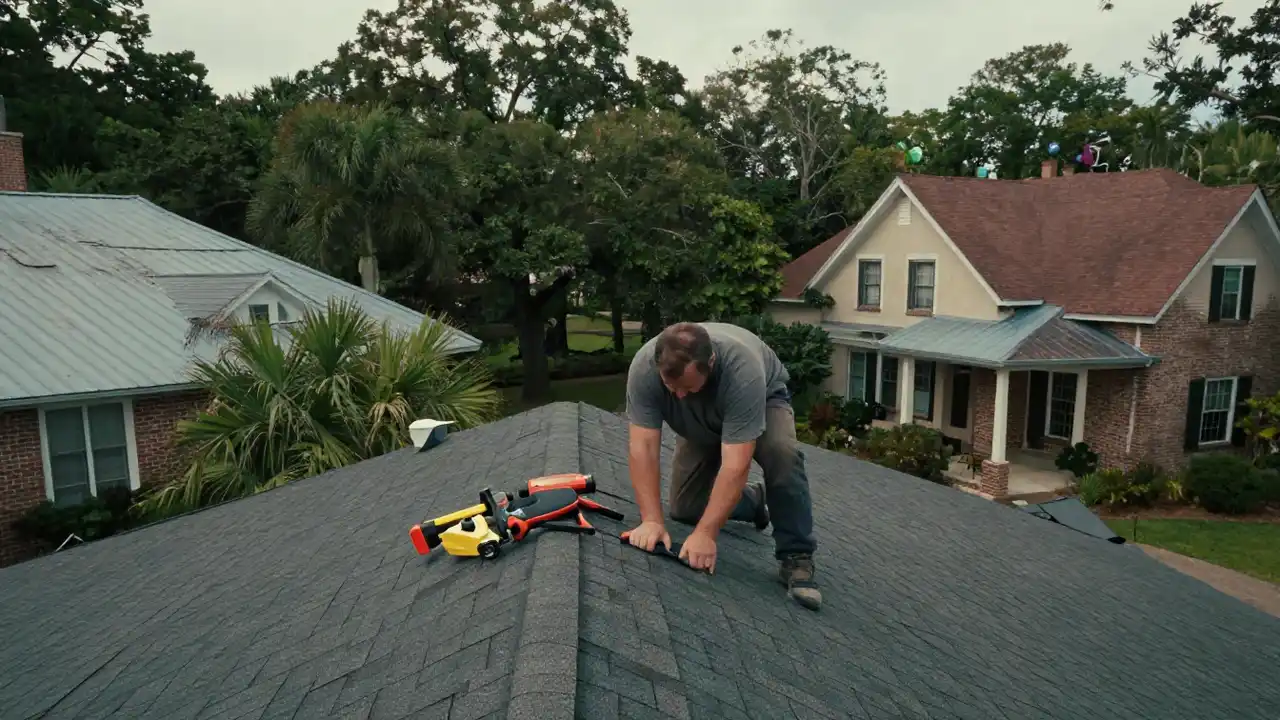
Learn when Louisiana roofing work requires a state license, how to verify a contractor, and what project details to confirm.
Read the guide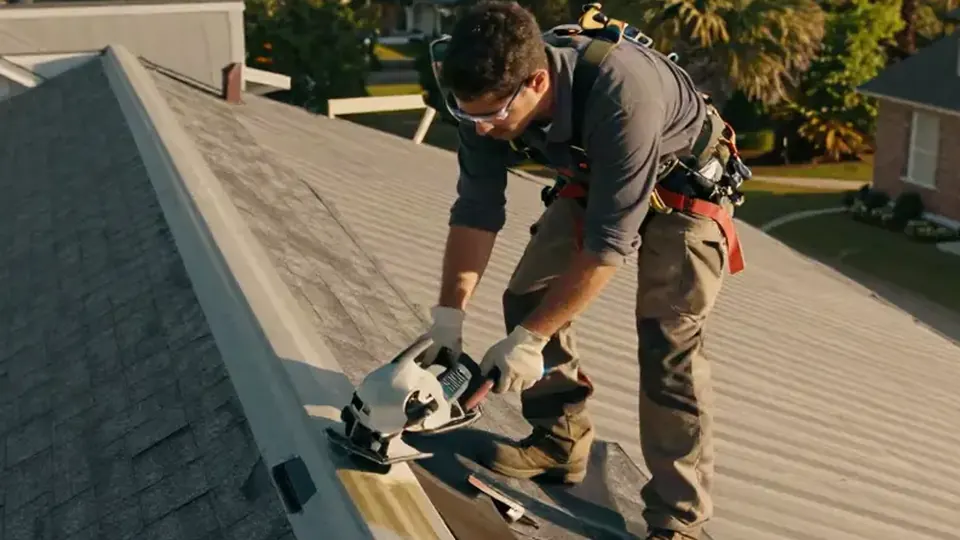
General repair scope guidance and the factors that shape a property-specific estimate.
Read the guideCommon repair scopes, price factors, and a checklist for comparing written estimates.
Read the guide
Protect people and property indoors, avoid roof and electrical hazards, and record damage safely.
Read the guide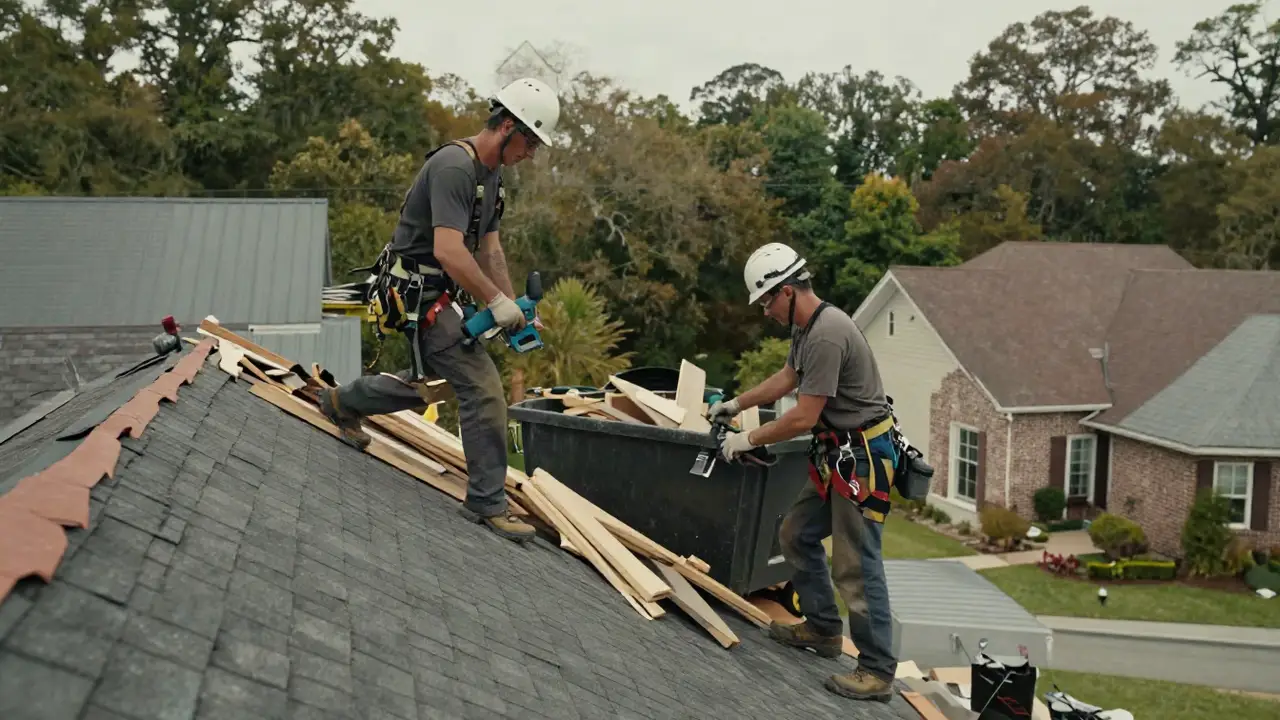
Send a message through the form and tell us what you are seeing. Include the location of the stain or drip and when it appears so the team can understand what help you need.