Focused arrival windows
Useful updates and clear arrival timing.
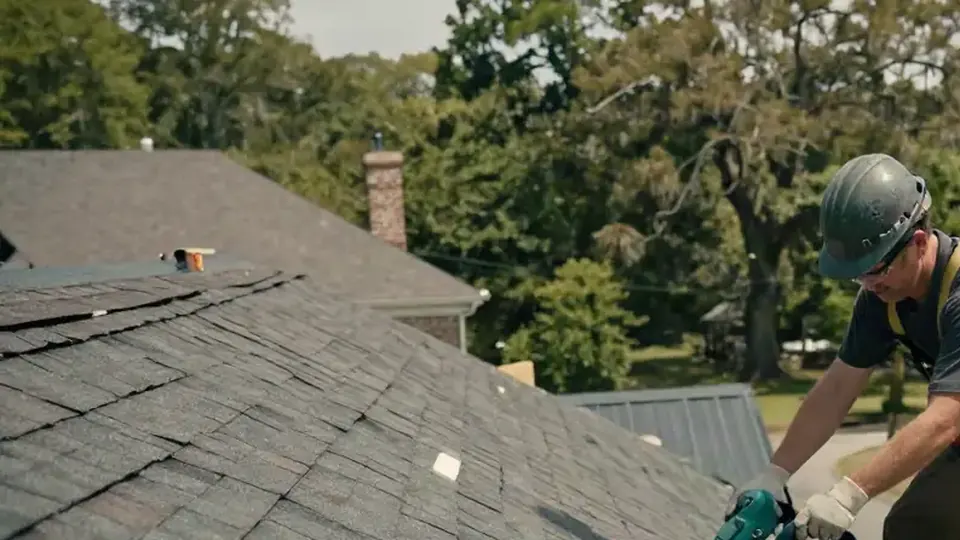
Most leaks around chimneys, walls, dormers and valleys come from flashing, not the shingles. We inspect the joint, work out why it failed and repair it with proper metal and sealing, not just a bead of caulk.
Useful updates and clear arrival timing.
Review the approach and price before deciding.
Equipped vehicles and respectful cleanup.
Neighbors serving neighbors with follow-through.
Flashing is the thin metal that keeps water out where the roof meets something else: a chimney, a wall, a dormer, a valley or a skylight. These joints take the most water and movement, and they are where roofs most often leak even when the shingles look fine.
Flashing fails for several reasons. Metal rusts or bends, sealant dries and cracks, and the house moves slightly with the seasons. Old repairs that rely only on caulk tend to fail again within a few years. A durable repair usually means replacing or reworking the flashing itself.
Chimneys deserve special attention. A chimney can leak at the base flashing, at the counterflashing set into the masonry, at the cap or crown, or through the brick and mortar. Knowing which one matters, because each needs a different fix.
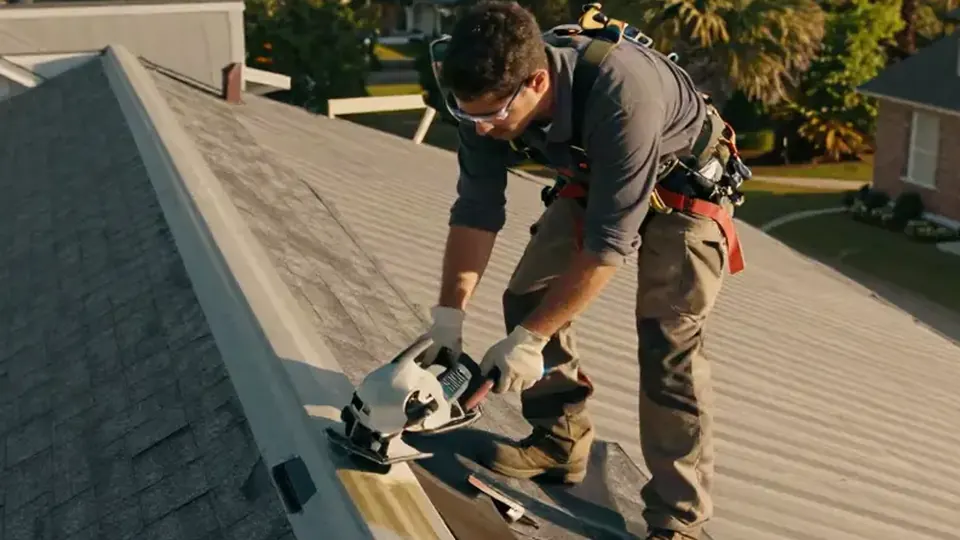
Water enters at the joint and runs down inside the wall or ceiling next to it.
Visible corrosion or gaps in the flashing mean water can get behind it.
Dried-out, cracked caulk at flashing edges is a sign it has stopped sealing.
Wet wood or stains around the chimney chase point to a flashing or masonry leak.
Flashing problems often show only when water is pushed sideways or arrives in large volume.
Masonry damage can let water in separately from the roof flashing.
Metal pieces along walls and chimneys rust, loosen or were never installed correctly.
On wider chimneys, a small peaked structure behind the chimney diverts water around it. Without one, water pools and leaks.
Valleys carry a heavy water load. Worn metal or lifted shingles along the valley can leak.
Sealant alone dries and cracks. It is a stopgap, not a lasting repair.
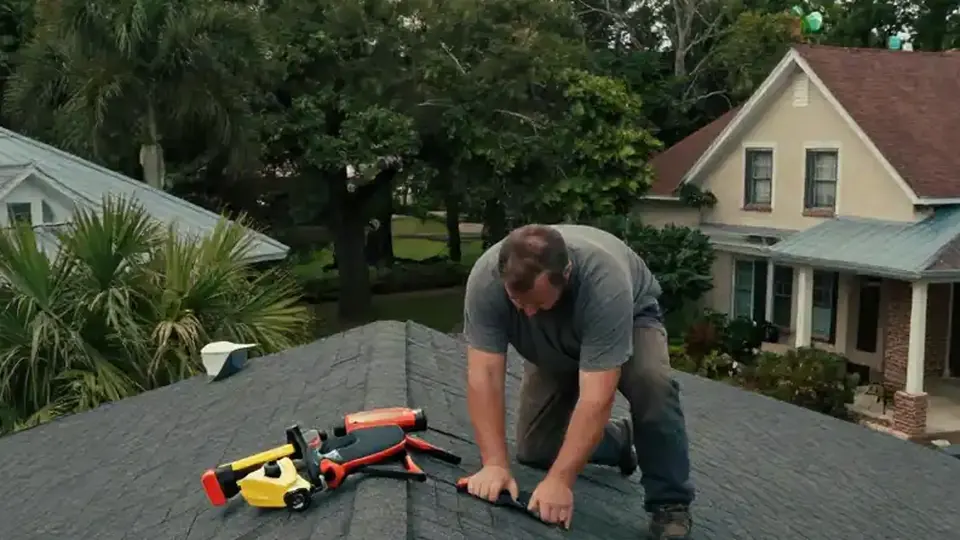
Check every piece of flashing, the sealant and the surrounding shingles and masonry.
Rust, movement, poor installation or damage all lead to different repairs.
Install new flashing, integrated with the shingles and, at chimneys, the masonry.
Use sealant as a supporting detail, not a substitute for metal.
Inspect nearby shingles and the attic for any other water damage.
The right answer depends on the cause, the roof’s age and condition. Here is how to think about it.
The flashing problem is localized and the roof is otherwise in good shape.
Flashing is failing throughout the roof, or the decking around the joint is wet or rotted.
The chimney itself, such as the crown, cap or mortar joints, is the source. Roof flashing will not fix a masonry leak.
Leaks rarely have a single cause. These related services cover the other places water commonly gets in.
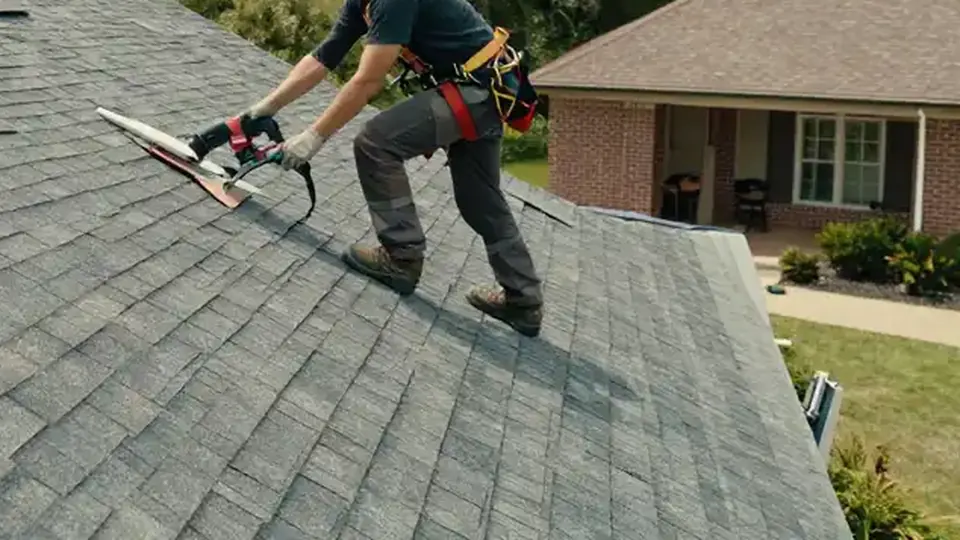
Trace the stain back to the real entry point before anything gets repaired.
Explore this service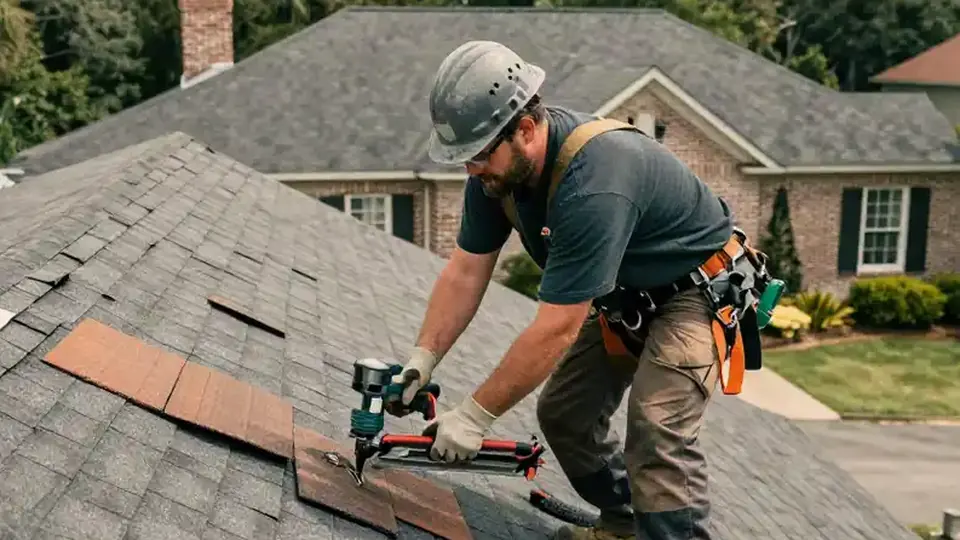
Cracked, lifted or missing shingles: targeted repair that actually stops the leak.
Explore this service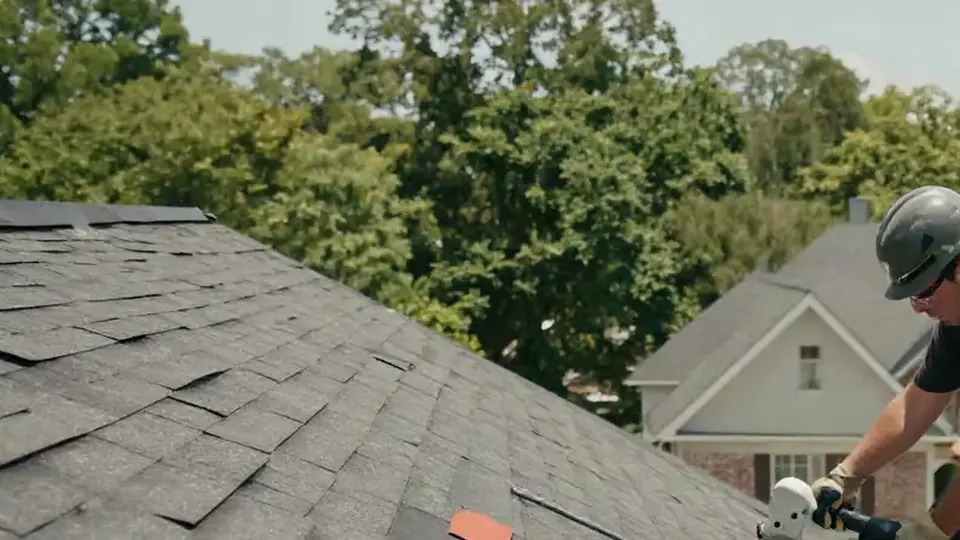
Reflash, reseal or replace? Find out what is really leaking.
Explore this serviceWant to know what repairs involve before you call? Read our guides to roof leak repair costs in Baton Rouge, common roof repair price factors and what to do when your roof leaks in heavy rain. Back to the main roof leak repair page.
Caulk can be a temporary measure, but it dries and cracks. A lasting repair usually involves replacing or reworking the flashing.
Heavy or wind-driven rain overwhelms small gaps that handle light rain. That points to flashing or masonry that is barely keeping water out.
A small peaked structure on the uphill side of a chimney that diverts water around it. Wider chimneys often need one.
Both are possible. A careful inspection of flashing, crown, cap and mortar tells you which, and sometimes both need work.
Valleys carry a lot of water and need either properly installed metal or a carefully installed shingle valley. Worn valleys are a common leak source.
It varies with materials, installation and exposure. Flashing that looks rusted, bent or loose should be inspected.
Not seeing your question? Send us a message and we will explain it plainly.
Ask the local teamSelect your area for local roofing details, or contact us to confirm your address.
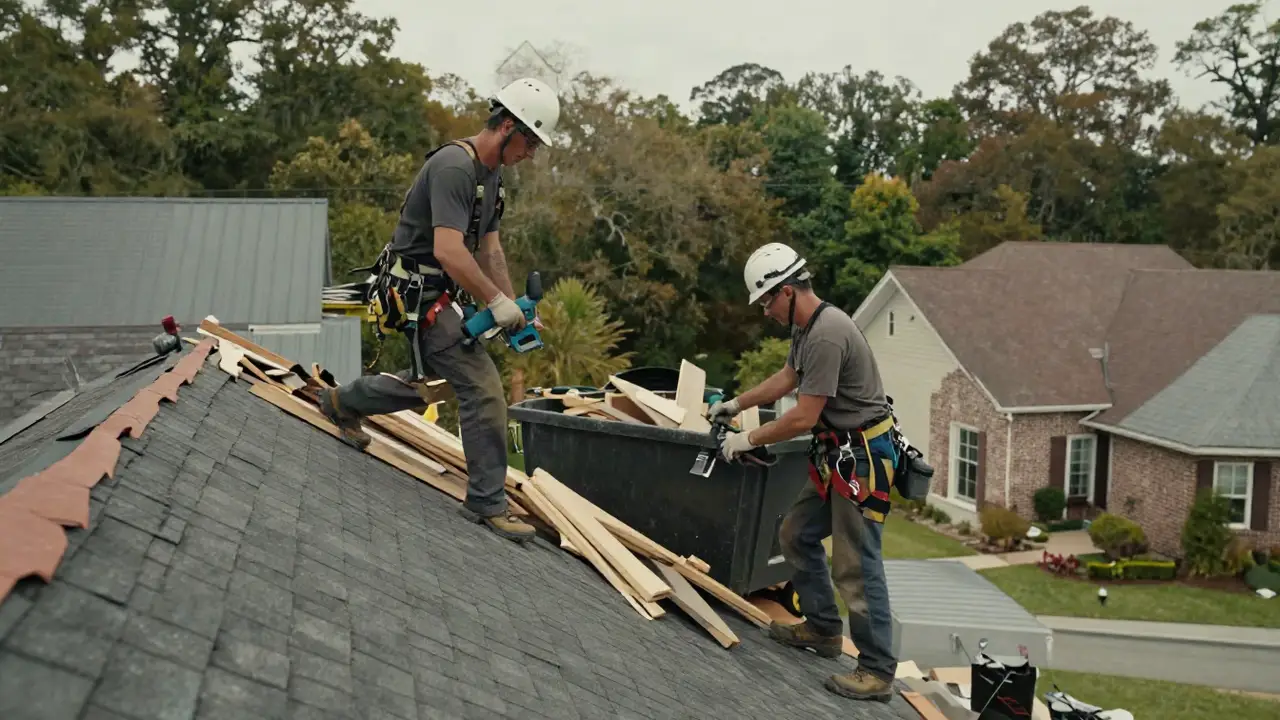
Send a message through the form and tell us what you are seeing. Include the location of the stain or drip and when it appears so the team can understand what help you need.