Focused arrival windows
Useful updates and clear arrival timing.
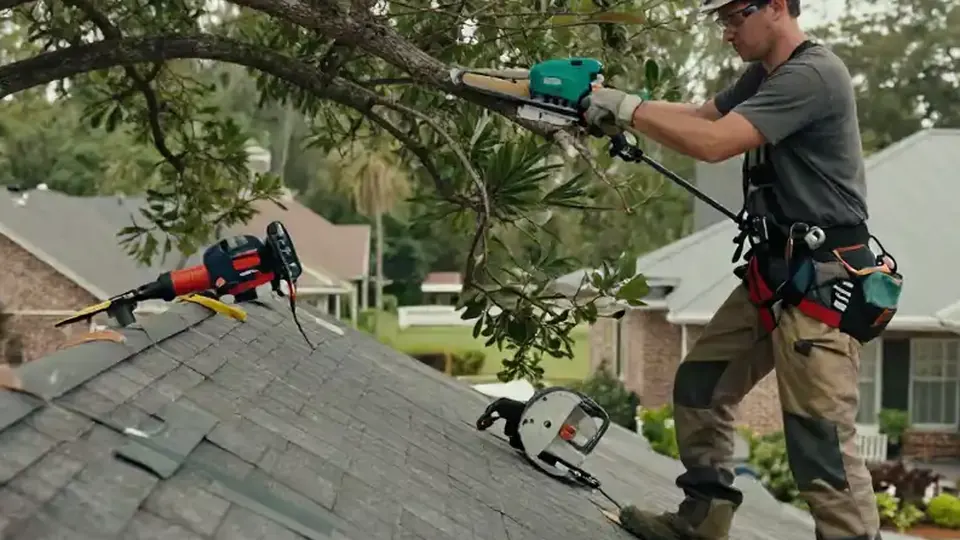
Baton Rouge storms test every roof, from thunderstorm wind to tropical systems. If a storm left you with missing shingles, a fallen limb or a new ceiling stain, we can inspect the roof, document the damage and repair what is leaking.
Useful updates and clear arrival timing.
Review the approach and price before deciding.
Equipped vehicles and respectful cleanup.
Neighbors serving neighbors with follow-through.
Louisiana weather puts roofs under repeated stress: heavy rain, gusty thunderstorms and the wind and rain from tropical systems. Storm damage is not always dramatic. Sometimes a few lifted shingles or one bent flashing is all it takes to let water in, and the first sign inside the house may not appear for days.
Wind can lift shingle tabs and tear them off, drive rain sideways under flashing and loosen ridge caps. Falling limbs can crack shingles or puncture the deck. Hail, where it occurs, can bruise shingles and knock granules loose. Much of this is hard to see from the ground.
A post-storm inspection looks at the whole roof, not just the spot over the stain, and records what it finds with photos. That record is useful whether you decide to pay for repairs yourself or file an insurance claim.
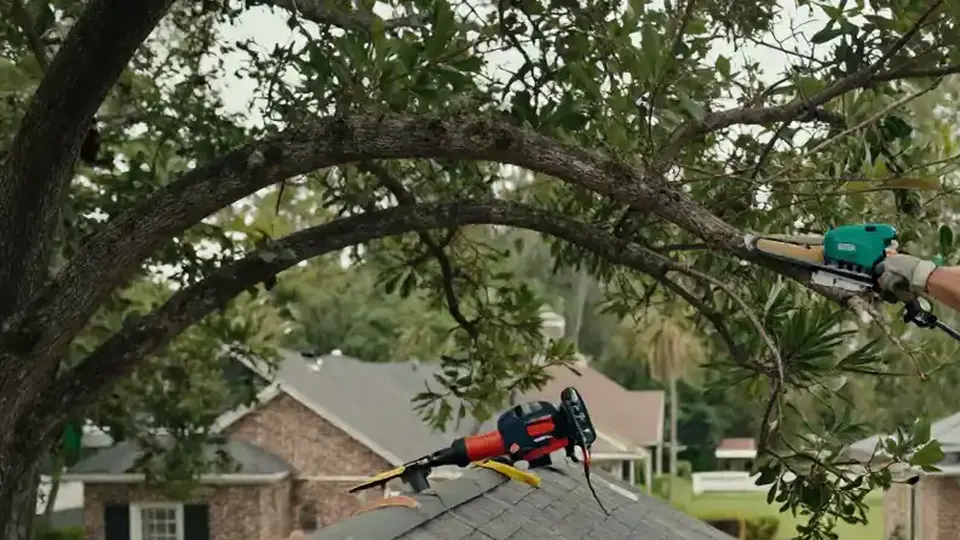
Wind damage often shows as bare spots or a horizontal crease across a shingle tab. Check the yard and gutters for pieces.
A sudden increase can mean the shingle surface was damaged, especially after hail.
Flashing at chimneys, walls and valleys is a common storm casualty. Even small gaps let in wind-driven rain.
Dents in soft metals on the property are often a clue that the roof was hit as well.
New stains point to a new opening. Note where they are and photograph them.
Even if nothing seems broken, impact points should be checked from the attic side as well.
Wind lifts shingle edges and tears tabs off, exposing the underlayment. Older, brittle shingles and weak seal strips fail first.
Limbs can crack shingles, break flashing or puncture the deck, and the damaged area is often larger than it looks.
Heavy rain pushed sideways can get under flashing, past vents and under shingle edges that normally shed water.
Hail can bruise shingles and loosen granules. The damage is not always visible from the ground.
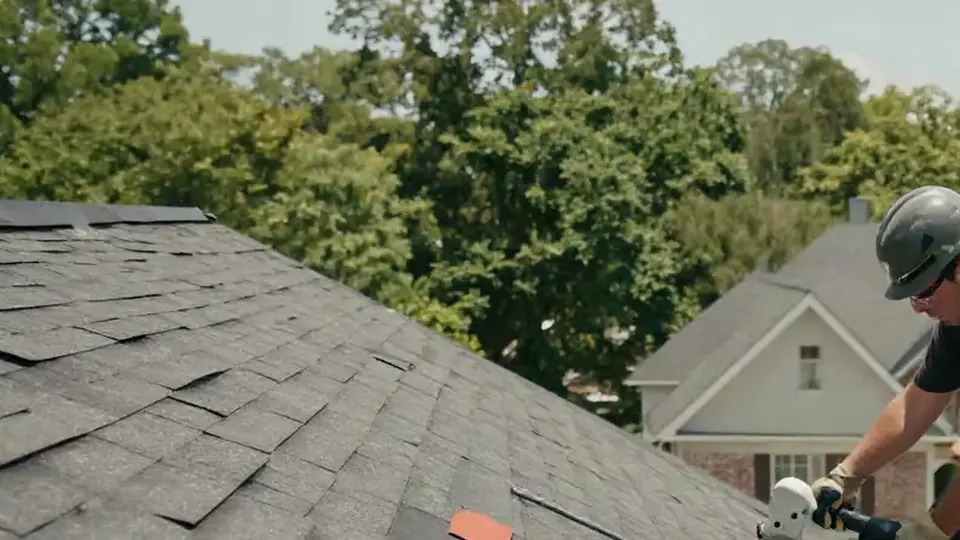
If water is entering, temporary protection comes first.
Every slope, the flashing, vents and ridge are checked, along with the attic if accessible.
Findings are photographed so you have a clear record for repairs and any claim.
You get a scope that separates storm damage from ordinary wear and explains what each option involves.
Damaged shingles, flashing and underlayment are replaced and the work area is cleaned up.
The right answer depends on the cause, the roof’s age and condition. Here is how to think about it.
The damage is limited to a few areas and the rest of the roof is in decent condition.
Damage is widespread, shingles are brittle or old, or repairs would be a patchwork on a failing roof.
What your policy covers, your deductible and what the inspection found. A roofer can document damage, but the coverage decision is the insurer’s.
Leaks rarely have a single cause. These related services cover the other places water commonly gets in.
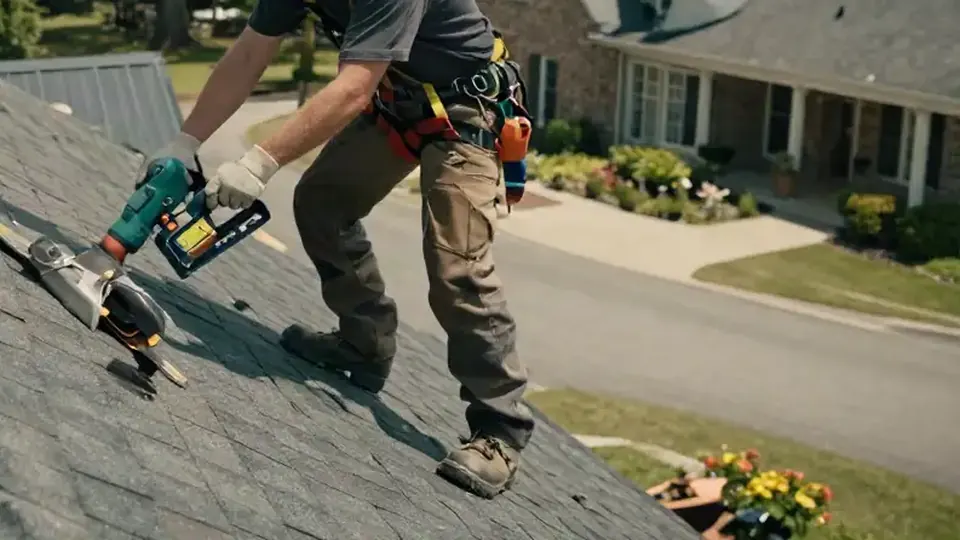
Water coming in now? Temporary protection, tarping and the steps that follow.
Explore this service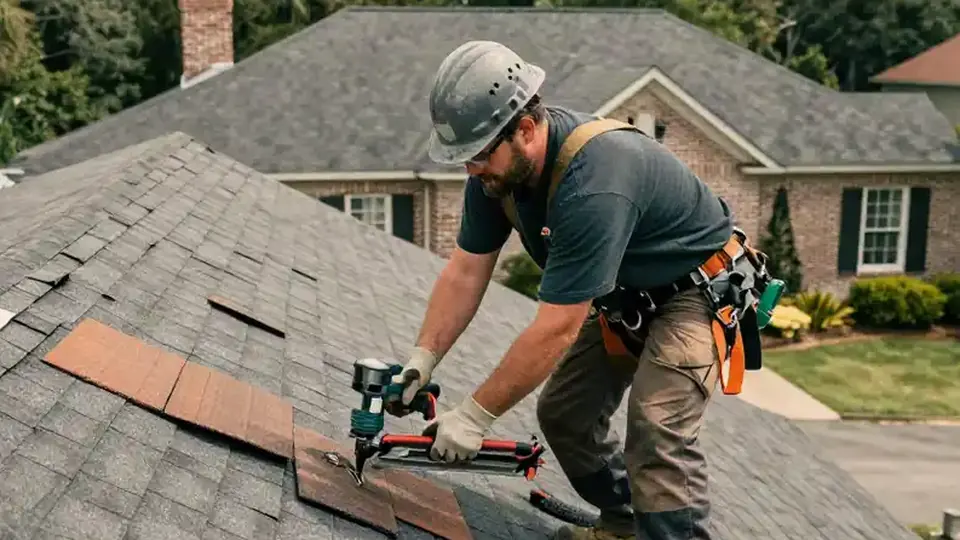
Cracked, lifted or missing shingles: targeted repair that actually stops the leak.
Explore this service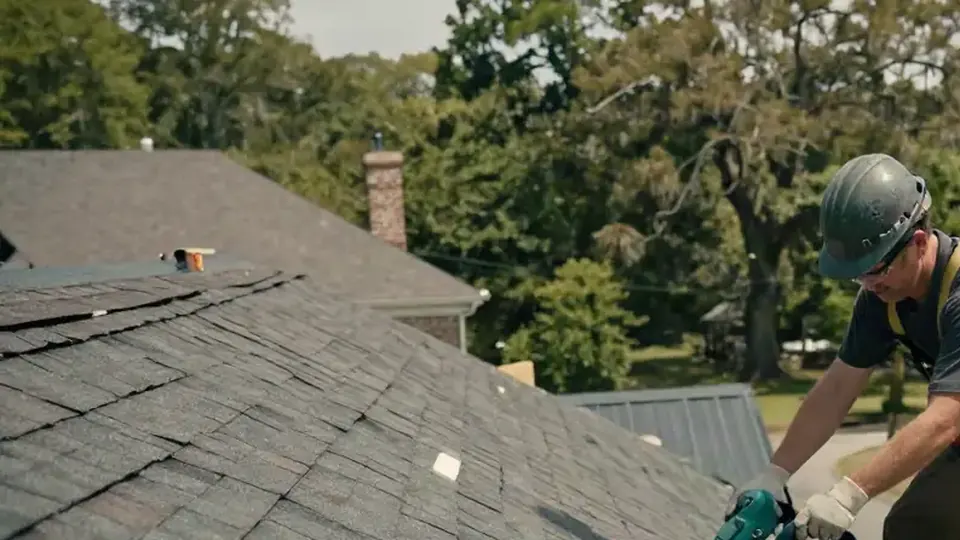
Leaks around chimneys, walls and valleys usually trace back to flashing.
Explore this serviceWant to know what repairs involve before you call? Read our guides to roof leak repair costs in Baton Rouge, common roof repair price factors and what to do when your roof leaks in heavy rain. Back to the main roof leak repair page.
As soon as it is safe. Small openings can leak for weeks before a stain shows up, and prompt documentation helps with any claim.
Yes. Creased shingles, lifted flashing and bruising are difficult to spot from the ground. A roof-level inspection is more reliable.
We can inspect, photograph and describe the damage and provide a written scope. The coverage decision rests with your insurer.
If damage is limited and the roof is otherwise sound, repair is usually reasonable. Widespread damage on an older roof often points toward replacement.
Protect the house from further water, keep people away from damaged areas and have the roof and framing assessed. A tree strike can damage more than the visible hole.
Policies differ, so ask your insurer. In general you can choose the contractor you are comfortable with.
Not seeing your question? Send us a message and we will explain it plainly.
Ask the local teamSelect your area for local roofing details, or contact us to confirm your address.
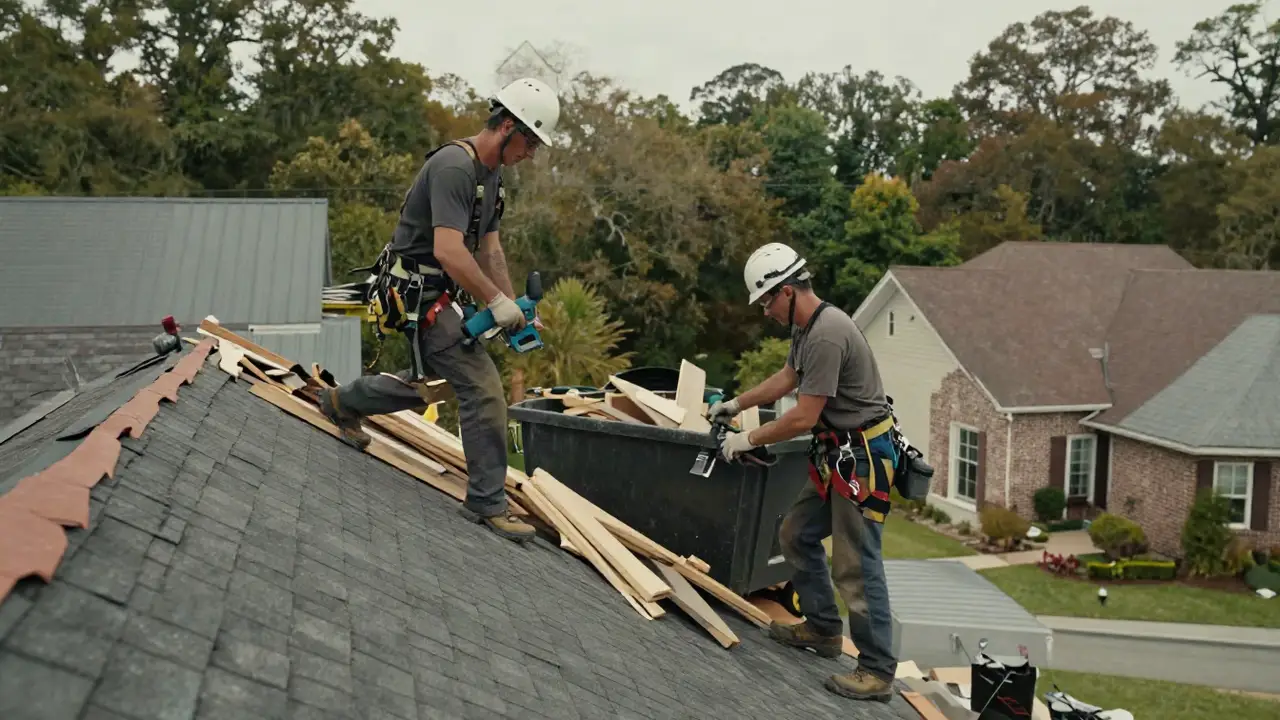
Send a message through the form and tell us what you are seeing. Include the location of the stain or drip and when it appears so the team can understand what help you need.