Focused arrival windows
Useful updates and clear arrival timing.
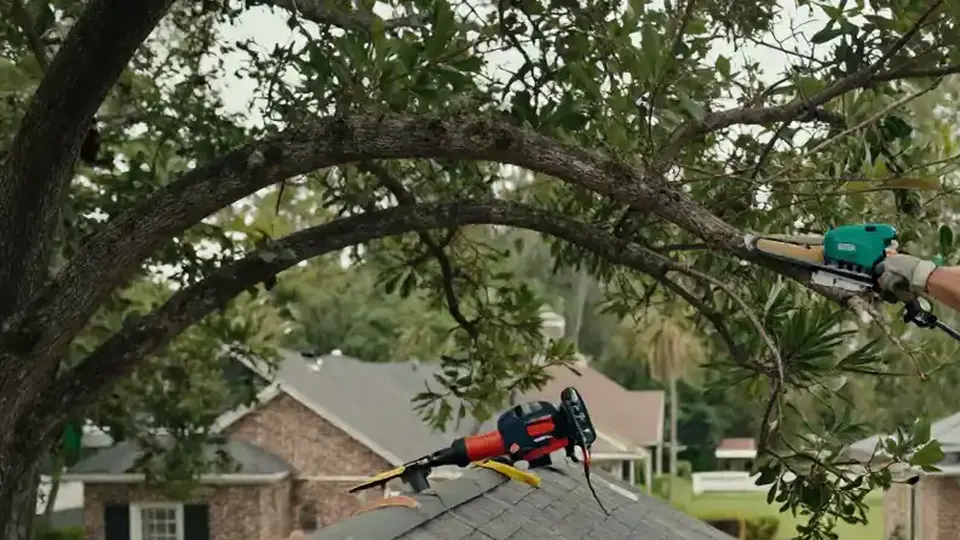
Roof maintenance Baton Rouge LA homeowners can schedule before the next front rolls through: we clear debris, reseal flashing, replace lifted shingles and check every penetration. A roof tune up in Baton Rouge costs far less than a deck replacement, and it is the fastest way to catch wind uplift and nail pops while they are still cheap to fix. We work Downtown, Mid City and across East Baton Rouge County.
Useful updates and clear arrival timing.
Review the approach and price before deciding.
Equipped vehicles and respectful cleanup.
Neighbors serving neighbors with follow-through.
Every visit follows the same checklist so nothing gets skipped between technicians. Minor repairs are included in the visit price; anything larger gets photographed and priced before we start, and you decide from there.
Every plane, valley, ridge, pipe boot, chimney and skylight gets walked and photographed. We check sealant joints by hand and probe suspect decking with a moisture meter. This is where most roof leaks in Baton Rouge are caught, long before the ceiling shows a stain.
Lifted shingles get hand-sealed or replaced, nail pops get reset, cracked flashing gets resealed with polyurethane. We carry asphalt shingles and roof flashing on the truck so most visits finish without a return trip or a second invoice.
Clogged ridge vents and blocked soffit intake are cleared, and every gutter and downspout is tested. Standing water at a low slope is the leading cause of membrane failure, and it is almost always a drainage fix rather than a roofing fix.
You get dated photos of every defect, a written summary of what we fixed and a priced list of anything heading toward failure. That report doubles as warranty documentation for GAF, Owens Corning and CertainTeed material claims.
Share what is happening and receive a clear next step from the local team.
Roof maintenance Baton Rouge LA is a scheduled inspection-and-repair service that clears debris, reseals flashing, replaces damaged shingles and checks ventilation before small defects turn into leaks. On a typical asphalt shingle roof we walk the full plane, probe the ridge vents, photograph every flashing joint and run a moisture meter across the decking inside the attic. Anything loose gets fastened, anything cracked gets sealed, and anything worn past saving gets flagged with a photo and a price before we touch it.
Baton Rouge roofs take a specific beating: summer attic temperatures push past 140 degrees, spring hail rolls through East Baton Rouge County, and months of humidity feed algae growth on north-facing slopes. That combination loosens sealant strips, lifts shingle tabs and opens flashing failure around chimneys and skylights. If you have been searching roof maintenance near me and putting it off, a spring and fall roof tune up Baton Rouge schedule is what keeps a 20-year shingle living close to its rating instead of failing at year 12.
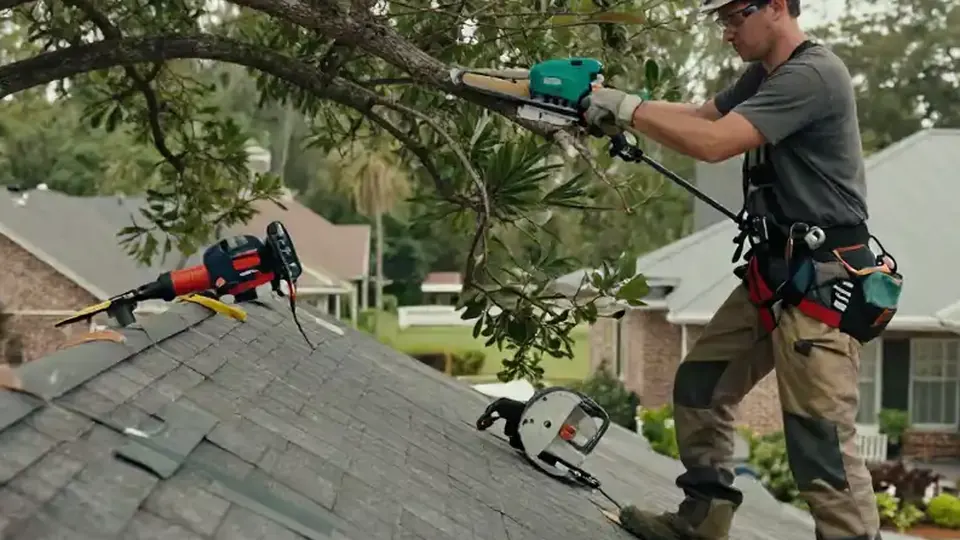
You call, we ask the age of the roof, the last storm date and whether you have seen staining on the ceiling. That five-minute conversation tells us whether to send a standard maintenance crew or a leak-repair tech, and it lets us quote a realistic range before we ever climb a ladder.
Our technician harnesses in and walks every plane, checking ridge caps, valleys, pipe boots and chimney flashing. We photograph each defect, probe soft spots with a moisture meter and check the attic side for staining. A standard single-family roof takes 60 to 90 minutes.
Loose shingles get hand-sealed or replaced from stock on the truck. Cracked flashing gets resealed with polyurethane. Nail pops get reset and capped. We carry asphalt shingles, roof flashing and ice and water shield so most maintenance visits finish the same day without a return trip.
We bag the debris, blow off the valleys and confirm every gutter downspout is running clear. Ponding water at a low slope or behind a wall flashing is one of the most common causes of Baton Rouge roof leaks, and it is almost always a drainage problem rather than a shingle problem.
You get a written report with photos of every issue, what we fixed and what to watch. If something is heading toward failure, we price it then, not six months later. That report is also what documents your annual roof maintenance plan Baton Rouge Louisiana for warranty purposes.
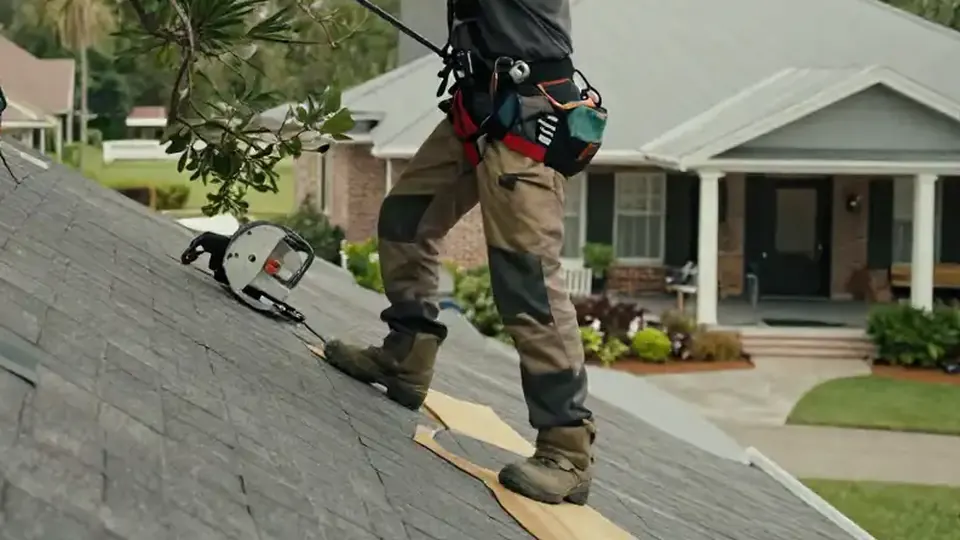
Reads saturation inside the decking and ceiling cavity, so we find wet sheathing before it rots or shows a stain indoors.
Maps temperature differences across the roof plane to reveal trapped moisture and hidden saturation that a visual walk would miss.
Fastens replacement shingles and resets nail pops to the correct depth without tearing the mat, which hand-nailing alone often does.
Reseals flashing joints, pipe boot collars and counter-flashing where the original sealant has cracked and pulled away.
Keeps the ladder off the gutter edge and the technician tied off, which is how we work safely on steep two-story roofs.
Cuts replacement shingles to fit valleys and hips cleanly so the repair blends into the existing field instead of standing out.
We walk every plane rather than inspecting from the ridge or the ground. Most flashing failure and wind uplift is only visible up close, and a ground-level look misses exactly the defects that turn into leaks.
Every exterior finding gets checked from inside the attic where accessible. Staining on the deck underside confirms an active leak, while a dry attic under a suspect flashing tells us the seal is still holding.
We reseal flashing to GAF and Owens Corning installation specs rather than whatever sealant is on the truck. That keeps the repair inside the manufacturer's warranty requirements instead of voiding them.
Each visit is logged with dates, photos, moisture readings and repairs. That log is what manufacturers ask for on a material warranty claim, and it is what a buyer's inspector wants to see at resale.
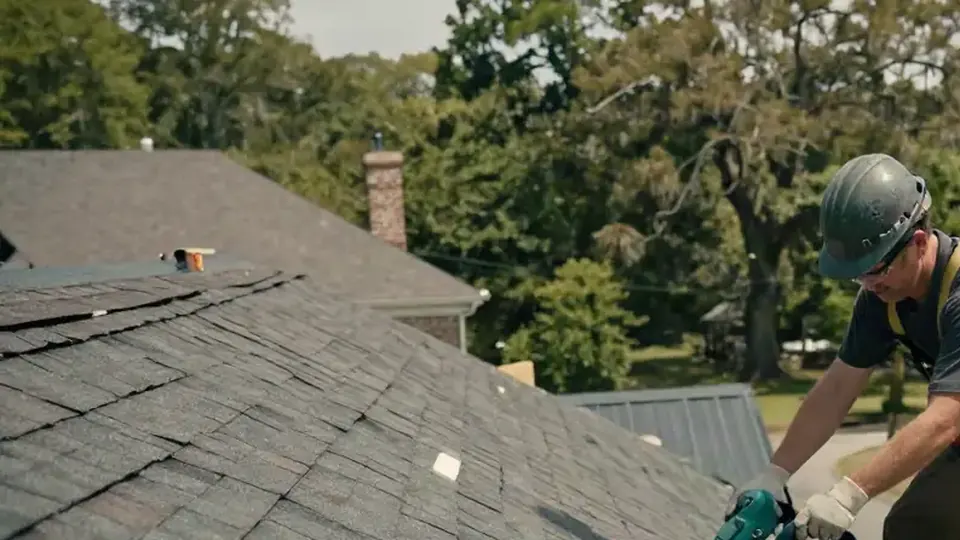
We run a full maintenance visit and produce a photo report that documents the roof's actual condition, what we repaired and what remains. That report answers the inspector's findings directly instead of leaving the buyer guessing. Most flagged items turn out to be minor and get resolved in one visit, which keeps the sale on schedule and removes the roof as a negotiation lever.
We inspect for hail damage, bruising on shingle granules and dented soft metals, then document what we find. If there is a legitimate claim, the photos support it; if there is not, you avoid a claim that raises your premium for nothing. You get a clear yes-or-no on the claim with photo evidence either way, plus any minor repairs handled during the same visit.
We put you on the spring and fall schedule, which catches flashing wear, ventilation problems and shingle aging while the fixes are still small. Each visit ends with a written report and a priced watch list. You know the roof's condition every six months and stop being surprised by a ceiling stain on a Sunday night.
We move the building onto a quarterly commercial plan with drain clearing, seam checks and ponding documentation. Repeated patches usually mean a drainage problem that nobody has addressed at the source. Patch frequency drops, the building stays dry through storm season, and you have documentation for the owner or the insurer.
Baton Rouge roofs live through a specific cycle: hot humid summers, spring hail, and hurricane-season wind that finds every loose shingle tab. We schedule most residential maintenance in March and April before storm season and again in October and November, which is the right rhythm for asphalt shingles in this climate. The heat matters as much as the storms. Attic temperatures past 140 degrees cook shingles from underneath, and a clogged ridge vent makes it worse, so ventilation checks are part of every visit. Older homes in Beauregard Town and the Garden District often have layered roofs or original flashing details that need a closer look than newer construction, and we adjust the inspection accordingly. Commercial buildings Downtown tend to be low-slope TPO membrane or EPDM rubber, where ponding water and drain clogs drive most failures. If you have had storm damage and need roof maintenance after storm Baton Rouge LA, we tarp first and schedule the permanent repair inside 48 hours in most cases.
Mostly low-slope commercial roofs where quarterly drain clearing and seam checks prevent the ponding that ruins TPO membrane.
A mix of older homes with mature tree cover, which means debris in valleys and gutters is the most common maintenance issue.
Historic homes with steep pitches and original flashing details that need careful hand inspection rather than a quick walk.
Older building stock where layered roofs and aging pipe boots show up on nearly every first maintenance visit.
Heat accelerates shingle aging from below and stresses sealant strips, so ventilation clearing matters as much as surface repair.
Hail bruises granules and dents soft metals, which is why a post-storm inspection is worth scheduling before filing any claim.
Moisture held against north-facing slopes feeds algae growth and keeps flashing joints wet longer, speeding sealant failure.
A useful maintenance visit checks the roof system, documents visible conditions, and explains any recommended follow-up.
Check valleys, gutters, drains, and low-slope areas for debris or signs that water is not moving off the roof as intended.
Review vulnerable transitions and roof materials for lifting, wear, open seams, or sealant that needs attention.
Request clear photos and a written explanation of urgent repairs, routine upkeep, and anything that can be monitored.
Most of the expensive roof failures we see in Baton Rouge started as something small and cheap. These are the four we run into most often on maintenance calls.
One missing shingle exposes the underlayment, and the next rain drives water sideways into the deck. Left through a season, the sheathing softens and the repair grows from one shingle to a full slope. We replace missing shingles from matched stock, hand-seal lifted tabs and check the surrounding field for wind uplift. If the damage is widespread, we document it with photos for an insurance claim and tarp anything open the same day.
Flashing joints fail before shingles do. A cracked pipe boot collar lets water run straight down the pipe into the ceiling, and the stain usually shows up far from the actual entry point. We reseal every flashing joint with polyurethane, replace cracked boots and check the counter-flashing where the chimney meets the roof. This is the single most common source of roof leaks we find on Baton Rouge maintenance visits.
The dark streaks are gloeocapsa magma feeding on limestone filler in the shingle. It is cosmetic at first, but it holds moisture against the granules and speeds surface wear on the shaded planes. We treat the affected slopes, confirm the shingles are algae-resistant architectural shingles or recommend them at replacement, and check that the ridge vents are moving enough air to dry the shaded planes between rains.
Water standing for more than 48 hours works its way into seams and around drains. On TPO membrane and EPDM rubber, ponding is the leading cause of seam failure and premature replacement. We clear the drains, check the slope and photograph any low spots. Where the ponding is structural, we document it so the building owner knows a re-cover or tapered insulation may be the real fix rather than another patch.
A clear decision starts with verifiable information. Ask any roofing contractor for these details in writing before work begins.
Confirm the contractor's current Louisiana license and insurance coverage directly with the relevant provider or agency.
Ask what failed, which materials will be used, how the work addresses the cause, and whether other damage was found.
Review the written price, schedule, cleanup plan, and workmanship warranty so you know what is included.
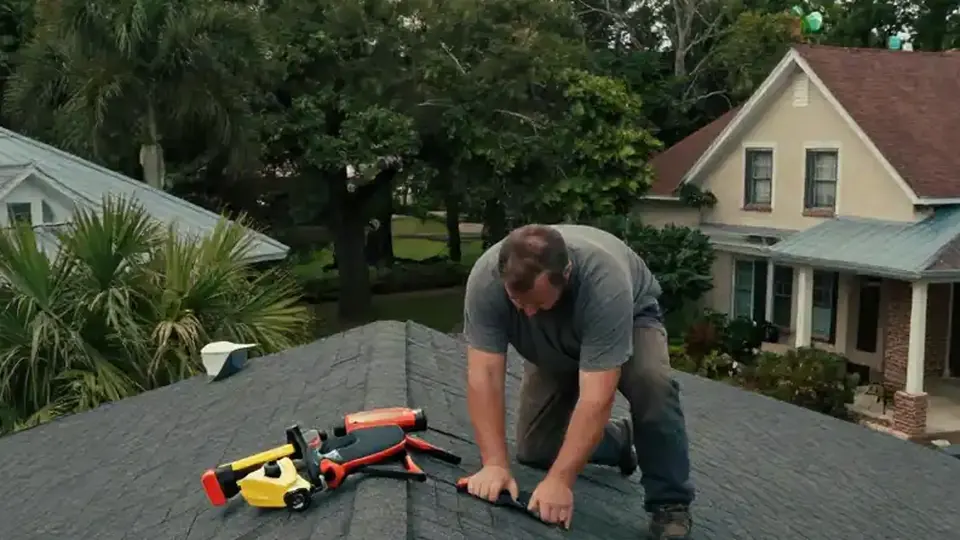
Our technicians hold OSHA 10 and OSHA 30 safety training and work under a Louisiana State Licensing Board for Contractors license. We are a GAF Master Elite and Owens Corning Preferred Contractor, which means manufacturer-backed workmanship coverage on top of our own labor warranty. We have worked on architectural shingle, metal roofing panels, TPO membrane and EPDM rubber systems across Baton Rouge, so we know how each one ages in this climate. Every maintenance visit is documented with photos, moisture readings and a written summary you can hand to an insurer or a buyer.
Before approving a repair or replacement, ask for the inspection findings, written scope, total price, expected timing, cleanup details, and any workmanship warranty.
Request photos that show the damaged area and help explain the recommended work.
Confirm what materials and labor are included, and ask which issues are urgent and which can be monitored.
Before work begins, agree on the schedule, site cleanup, and how workmanship concerns will be handled.
Maintenance scope depends on roof type, size, access, drainage, and any small repairs found during the visit. Ask what inspection, cleanup, minor repairs, photos, and follow-up are included before scheduling.
A standard visit covers a full roof walk, flashing and sealant inspection, shingle and fastener check, ventilation clearing, gutter and drainage check, and a written photo report. Ask whether small repairs, such as resealing a pipe boot or replacing a few lifted shingles, are included in the visit or quoted separately. Any additional work should be explained and approved before it begins.
Twice a year for most Baton Rouge homes, once in spring before storm season and once in late fall. Roofs over 15 years old or under heavy tree cover benefit from a third visit after any named storm. Commercial low-slope roofs on TPO membrane or EPDM rubber usually need quarterly checks because ponding water and drain clogs develop faster.
Yes. A 25-year architectural shingle that gets twice-yearly maintenance routinely reaches 22 to 25 years here, while a neglected one often fails at 12 to 15. The difference is mostly flashing failure, algae growth and ventilation problems caught early. Addressing a small flashing issue early may prevent water from reaching more of the roof assembly, although no maintenance plan can guarantee a particular roof lifespan.
Not seeing your question? Our local team can help you understand urgency, scheduling and what to expect.
Ask the local team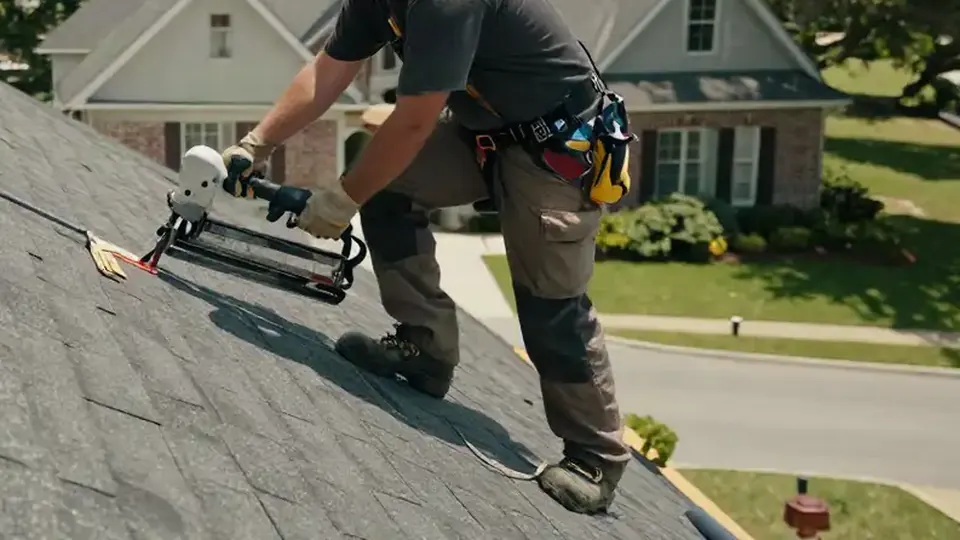
New construction and full installs on architectural shingles, metal roofing panels and low-slope membrane systems. We set the underlayment, ice and water shield and flashing correctly from day one, which is what makes the maintenance schedule afterward so much lighter.
View service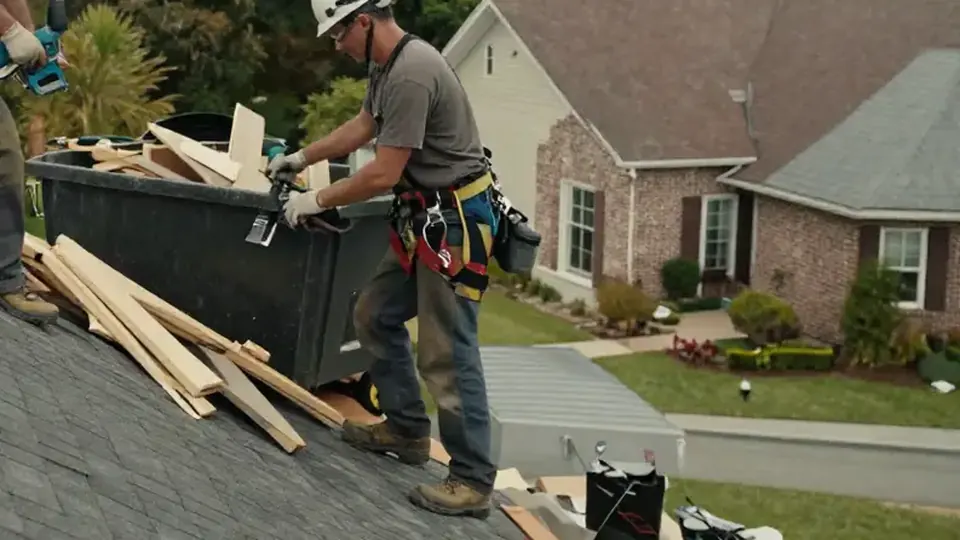
When maintenance can no longer stretch the roof, we tear off and replace with GAF or Owens Corning Duration systems. We tell you honestly when a repair is throwing money at a roof that is done, and we price the replacement before you commit to either path.
View service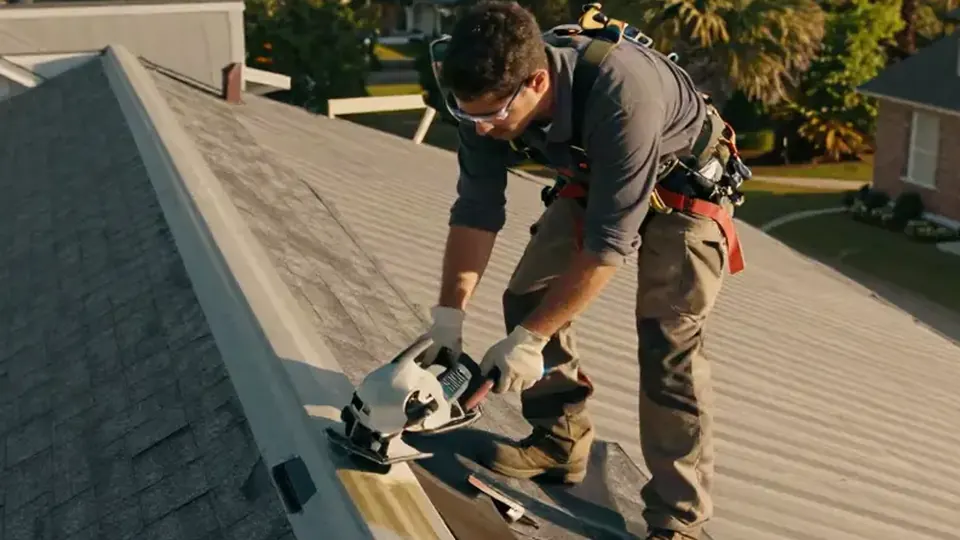
Active leaks get same-day tarping and a permanent fix inside 48 hours in most cases. We trace the leak to its actual entry point with a moisture meter and infrared camera rather than sealing the ceiling stain, because the wet spot inside is rarely directly under the hole.
View service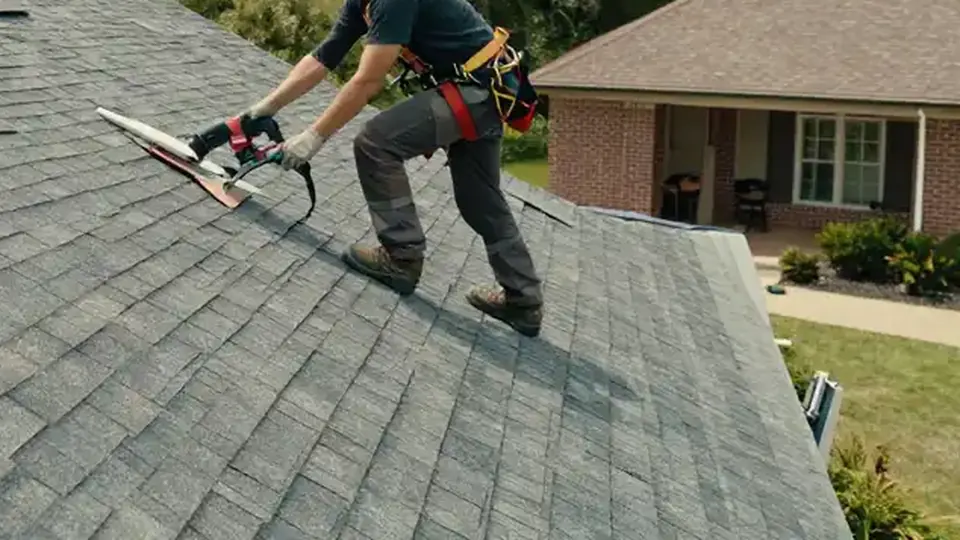
A standalone inspection for real estate transactions, insurance claims or post-storm documentation. You get the same photo report and moisture readings we use on maintenance visits, formatted so a buyer, adjuster or lender can read it without translation.
View service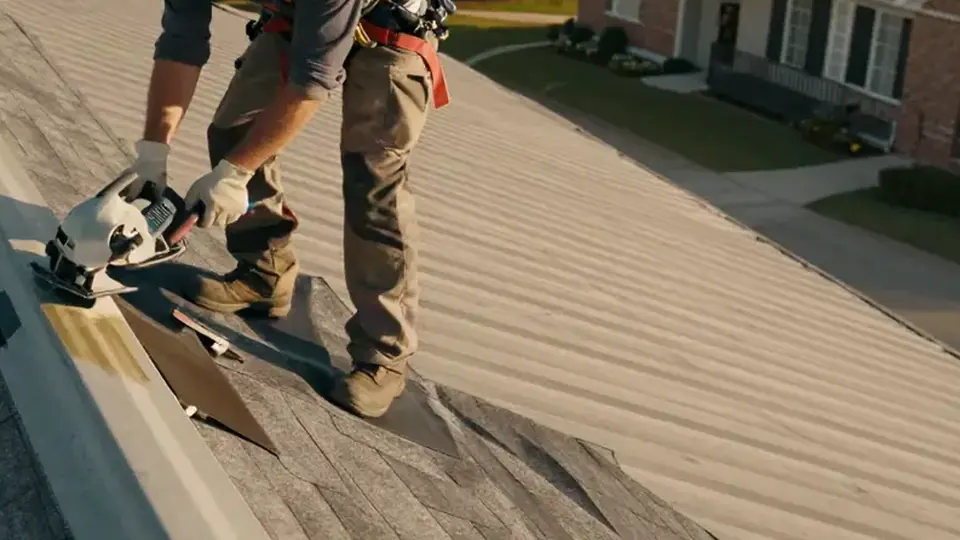
Call us or send a message and we will get back to you the same business day. We schedule inspections within 24 to 48 hours, and storm calls jump the line. Our office is open Monday through Friday, 8:00 to 18:00, with 24/7 emergency response for active leaks and storm damage.