Focused arrival windows
Useful updates and clear arrival timing.
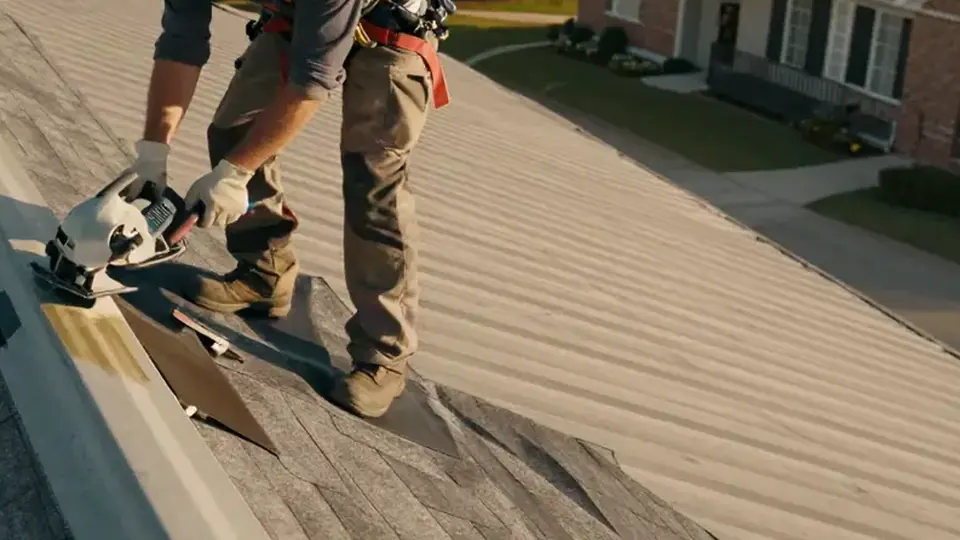
Flat and low-slope roofs hold water instead of shedding it, so small defects become leaks quickly. We look at drainage, seams, flashing and penetrations to find the cause, and tell you whether repair, a coating or replacement makes sense.
Useful updates and clear arrival timing.
Review the approach and price before deciding.
Equipped vehicles and respectful cleanup.
Neighbors serving neighbors with follow-through.
Pitched shingle roofs shed water downhill. Flat and low-slope roofs rely on a continuous waterproof membrane and working drainage. When water ponds, it sits on every seam, fastener and flashing joint, and finds any weakness.
You find low-slope roofs on additions, porches, carports, garages and many small commercial buildings. Common membranes include modified bitumen, TPO, EPDM and built-up roofing. Each has its own repair methods, so identifying the system is the first step in any repair.
Baton Rouge heat and UV wear membranes, and heavy rain tests drainage. Clogged drains, settled areas that hold water and punctures from foot traffic or equipment are common causes of leaks.
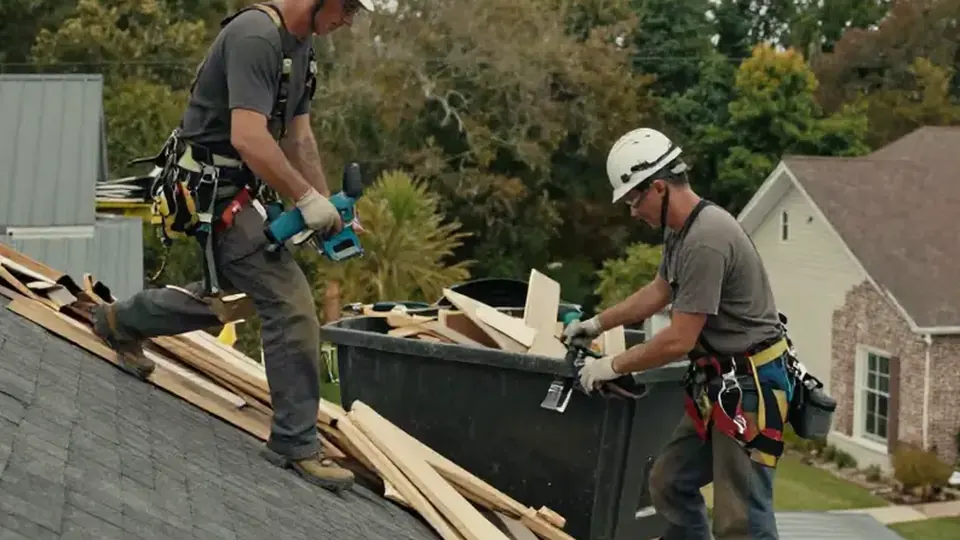
Water that remains a day or two after rain points to drainage or low spots, and it stresses seams.
Trapped moisture or air can lift the membrane, and blisters can split.
Seams are the most common failure point on membrane roofs.
Surface cracking from sun exposure means the membrane or coating is aging.
Blocked drainage causes ponding and overflows at edges.
Interior stains often show where water finds its way through.
Low spots and blocked drains let water sit, which speeds wear and stresses seams.
Membrane seams and flashing at walls, edges and penetrations loosen with age and movement.
Foot traffic, equipment and fallen debris can puncture the membrane.
Sun and heat dry and crack roof surfaces over time.
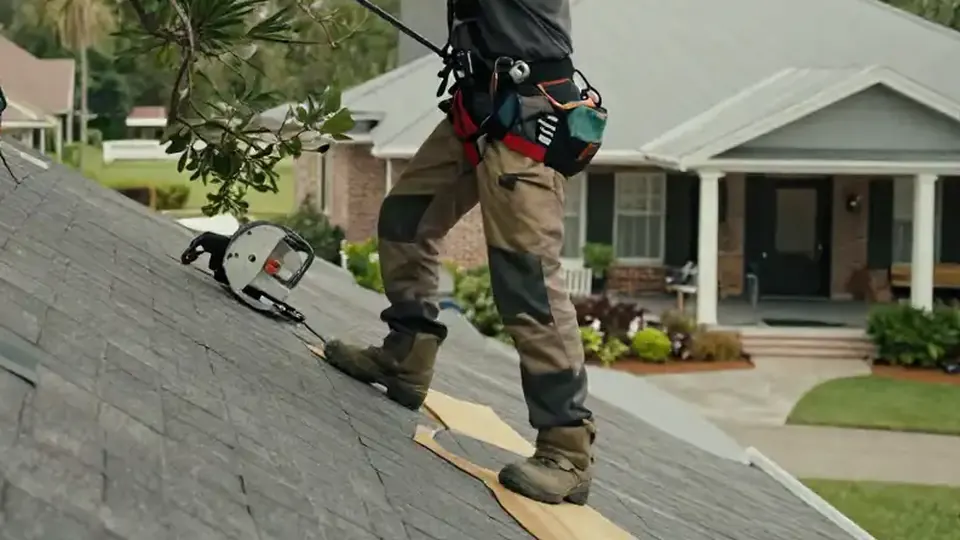
Determine whether it is modified bitumen, TPO, EPDM, built-up or another system.
Inspect drains, scuppers, gutters and low spots where water collects.
Examine seams, flashing, penetrations and punctures above the affected area.
Patch, reseal or rework flashing, or discuss coating or replacement if the system is near the end of its life.
Show how to keep drains clear and what to watch for.
The right answer depends on the cause, the roof’s age and condition. Here is how to think about it.
The leak is localized and the membrane is otherwise sound.
The roof is aging but still structurally sound. Ask whether the system and its condition suit a coating.
The membrane is failing widely, insulation is wet or repairs keep recurring.
Leaks rarely have a single cause. These related services cover the other places water commonly gets in.
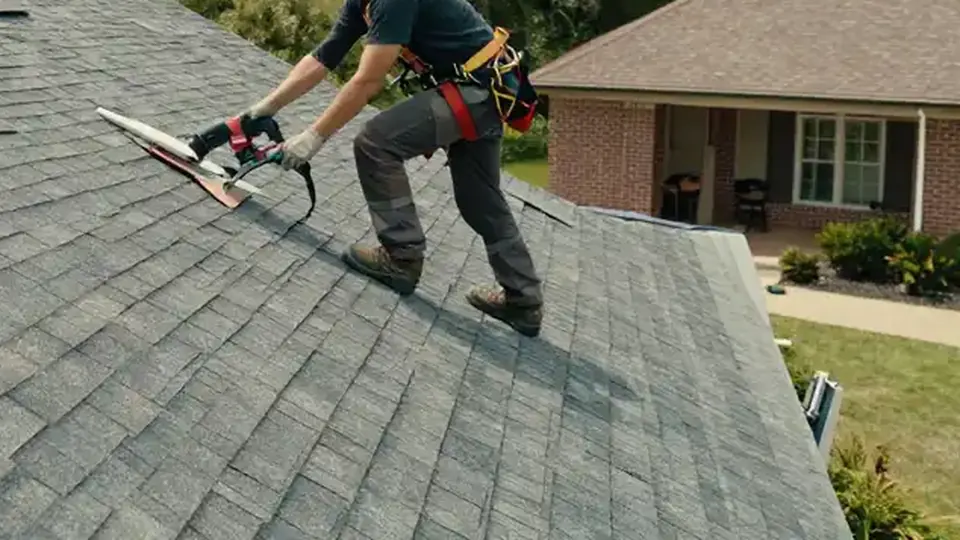
Trace the stain back to the real entry point before anything gets repaired.
Explore this service
Water coming in now? Temporary protection, tarping and the steps that follow.
Explore this service
Cracked pipe boots and leaking roof vents, a very common and fixable leak.
Explore this serviceWant to know what repairs involve before you call? Read our guides to roof leak repair costs in Baton Rouge, common roof repair price factors and what to do when your roof leaks in heavy rain. Back to the main roof leak repair page.
Most are low-slope, with a slight pitch toward drains. If the slope is too slight or the roof has settled, water ponds.
Common types look different: modified bitumen is often a rolled, granulated surface, TPO and EPDM are single-ply sheets, and built-up roofs are layered with gravel or a coating. An inspection identifies it.
Often yes, if the membrane is otherwise sound. The patch method depends on the roof system.
It can be. Water that stays a day or two after rain stresses seams and accelerates wear. It often points to drainage or structural issues.
Coatings can extend the life of some aging roofs, but they are not right for every system or condition. Ask for an assessment first.
We can look at small commercial and low-slope roofs. Describe the building when you contact us.
Not seeing your question? Send us a message and we will explain it plainly.
Ask the local teamSelect your area for local roofing details, or contact us to confirm your address.
Send a message through the form and tell us what you are seeing. Include the location of the stain or drip and when it appears so the team can understand what help you need.