Focused arrival windows
Useful updates and clear arrival timing.
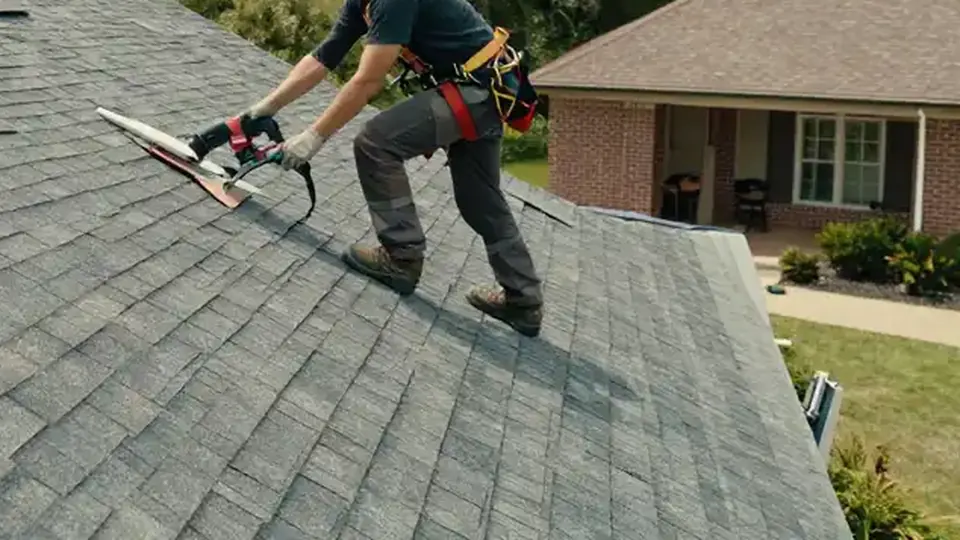
The stain on your ceiling is rarely directly under the hole in the roof. Water travels along decking, rafters and pipes before it drips. We trace the leak back to where it actually enters, so the repair fixes the cause and not just the symptom.
Useful updates and clear arrival timing.
Review the approach and price before deciding.
Equipped vehicles and respectful cleanup.
Neighbors serving neighbors with follow-through.
Water follows the path of least resistance. It can enter at a vent boot near the ridge, run down the underside of the decking, soak into insulation and appear as a stain on a ceiling many feet away. Repairing the spot above the stain often fixes nothing.
That is why leak detection is a methodical process. It starts with the story (where, when and in what weather the leak appears), moves to the attic, then to a careful check of every roof penetration and joint above the affected area. Where the source is still unclear, a controlled water test can reproduce the leak.
Good detection also saves money. A correct diagnosis means you pay to fix the actual problem, rather than paying for repeated patching that does not stop the water.
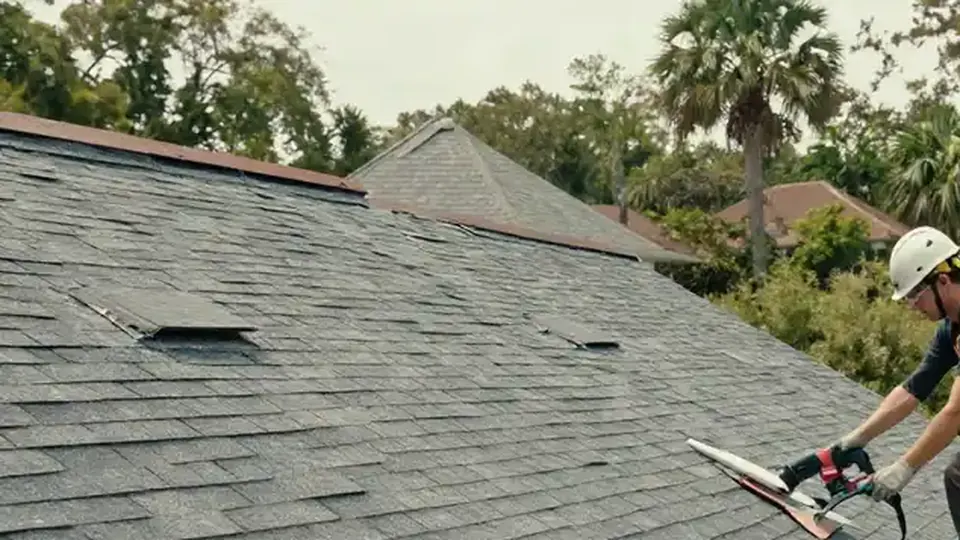
Only during wind-driven rain, or only after long, steady rain, or even in dry weather? Each pattern points to different causes.
Rings, streaks that follow rafters, or stains near walls help show how water traveled.
Vents, chimneys, skylights, valleys, wall intersections and pipe penetrations are the first suspects.
Darkened wood, water trails and compressed insulation usually mark the path water took.
Moisture visible in the attic is a strong hint that water has been present for a while.
Moisture in the attic can also come from poor ventilation or bathroom fans venting into it. Not every wet spot is a roof leak.
Plumbing vent boots, exhaust vents, chimneys and skylights create openings that depend on flashing and sealant.
Water concentrates where roof planes meet, and worn flashing there leaks even when shingles look fine.
Wind, age and impact can leave the underlayment exposed to rain.
Flat areas hold water, which finds weak seams and fastener points.
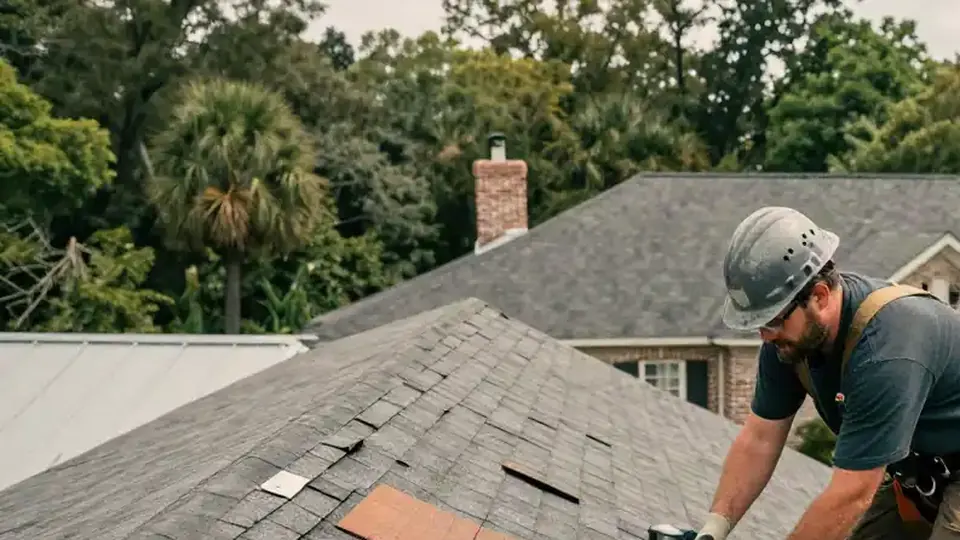
Where is the stain, when does it appear, how old is the roof and has it been repaired before?
Look at the underside of the decking, insulation and framing above the stain for water paths.
Inspect penetrations, flashing, valleys, ridge and shingles on the slope above the affected area.
Where the cause is unclear, water is applied to one section at a time while someone watches inside.
You get a clear explanation of what was found, with photos, and the recommended repair.
The right answer depends on the cause, the roof’s age and condition. Here is how to think about it.
The source is clear and the repair is small and well defined.
Detection shows leaks in several places, wet decking or widespread shingle wear.
Where exactly the water was entering, how that was confirmed and what the repair will change.
Leaks rarely have a single cause. These related services cover the other places water commonly gets in.
Cracked pipe boots and leaking roof vents, a very common and fixable leak.
Explore this service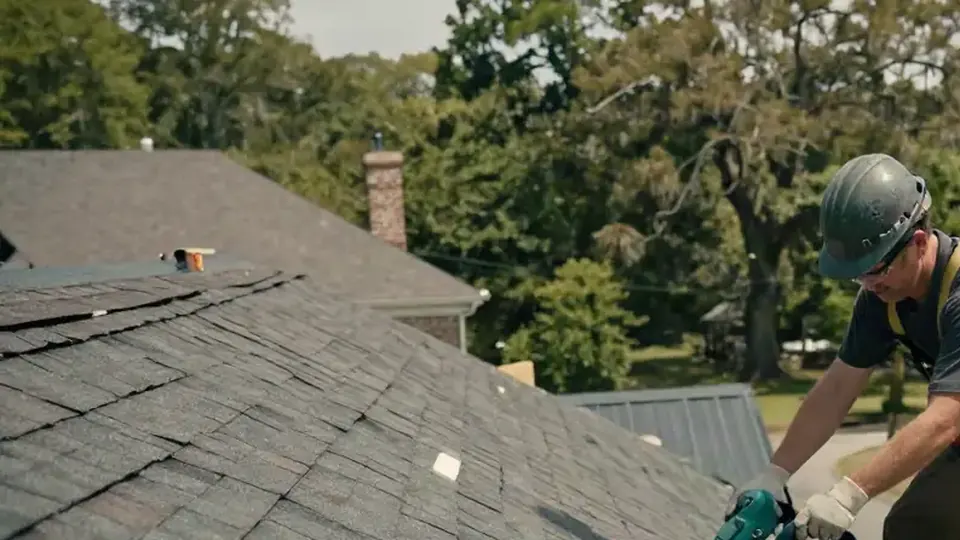
Leaks around chimneys, walls and valleys usually trace back to flashing.
Explore this service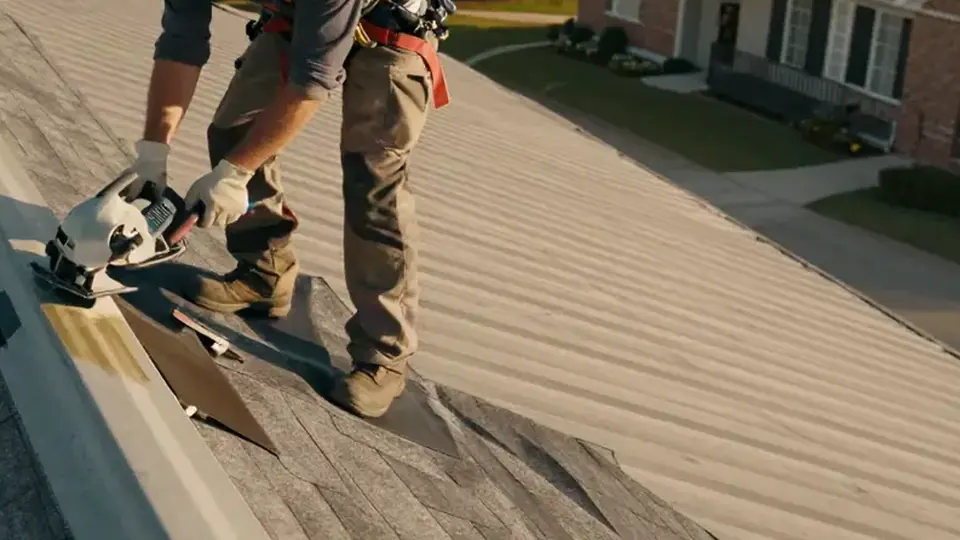
Ponding water, split seams and failing flashing on low-slope roofs.
Explore this serviceWant to know what repairs involve before you call? Read our guides to roof leak repair costs in Baton Rouge, common roof repair price factors and what to do when your roof leaks in heavy rain. Back to the main roof leak repair page.
Water travels along decking, rafters and pipes before it reaches the ceiling, so the stain is often some distance from the roof opening.
Wind pushes water sideways under flashing and shingle edges. Inspecting the roof-to-wall joints, vents and edges on the windward side often finds it, and a water test can confirm.
No. Poor ventilation, bathroom fans venting into the attic and condensation can cause similar signs. Part of detection is separating these.
Often, yes. Stains, wet insulation and flashing wear can be seen in dry weather, and controlled water testing can reproduce the leak.
No. A dry-weather inspection can find many causes, and delaying lets damage continue.
You receive an explanation, photos and a recommended repair so you can decide on the next step.
Not seeing your question? Send us a message and we will explain it plainly.
Ask the local teamSelect your area for local roofing details, or contact us to confirm your address.
Send a message through the form and tell us what you are seeing. Include the location of the stain or drip and when it appears so the team can understand what help you need.